Blog

Find out what Medicare and private health funds offer towards the costs of laser eye surgery.
Laser eye surgery is much cheaper than glasses and contact lenses!
There are various factors that contribute to whether or not laser eye surgery is permanent... Read more.
Laser eye surgery is amazing - but best to know the potential risks and side effects associated.
Following cataract surgery and the insertion of new lens(es) into your eye(s), you can develop a thin film over the new lens. Find out how easily this can be diagnosed and treated!
Find out the serious and avoidable side effects that smoking has on the eyes.
It is our mission to offer safe and effective surgery methods to as many people as possible. In some cases, people are unsuitable for laser eye surgery. Find out why...
Floaters can be very annoying whether you only experience them occasionally or daily. But what causes them & should you be concerned?
An Optomap image provides a bigger picture and more clinical information which facilitates early detection, management and treatment.
Pregnancy & breastfeeding is a time of wonder and change. Increases in bodily fluids & hormones mean that eyes are also effected. Here's why you should wait to have laser eye surgery during this time.
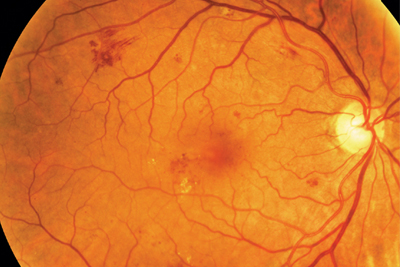
People with diabetes are at risk of diabetic retinopathy which is the leading cause of preventable blindness in Australia. Find out all you need to know here.
Subconjunctival haemorrhage's appear as one or many red spots on the white of the eye.  Our eyes contain lots of tiny blood vessels that can break which cause bleeding.

Request a callback

Enter your details below and we will call you back as soon as possible.

  • This field is for validation purposes and should be left unchanged.

Your info won’t be shared.

Medicare – Is Laser Eye Surgery Covered?


Sadly, laser eye surgery is not covered by Medicare. Laser eye surgery is considered a cosmetic procedure and therefore; not covered under any Medicare scheme.  But there are a few health funds that assist in the costs of laser eye surgery and there is also 0% finance for eligible applicants! Let us teach you a little more about understanding the Medicare system and how it all works.

If you are covered by a health fund that is not listed above, the likelihood is that there are no benefits towards laser eye surgery within your policy.  However; we always recommend contacting your health fund or reading your policy details to confirm this.  Health funds change regularly and add inclusions dependent on demand regularly.  If you are aware of any participating health funds that are not listed above, we would love for you to update us.

What is a Medicare ‘item number’?

Health funds will often ask for an ‘item number’ if you are contacting them to check if you have cover for laser eye surgery.  An item number is a unique number that is allocated to a professional service listed on the Medicare Benefits Schedule (MBS). The MBS is a key component of the Medicare system.  Laser eye surgery is considered a cosmetic procedure and is therefore; not covered by Medicare.  This means that there is not an item number attached to the procedure.

What services does the MBS include?

The types of services on the MBS include consultation and procedural/therapeutic (including surgical) services, as well as diagnostic services.

Wait times for newly acquired private health plans

If you are starting a new policy that includes laser eye surgery within their benefits, please note that there will be a wait time before you are able to access this. Having a waiting period like this helps to stop people making a claim and then dropping their cover.

0% Finance options up to 2 years!

Laser eye surgery is an expensive outgoing and for this reason, we offer 0% finance for up to two years to help spread the cost.  This means that you can benefit from SMILE, LASIK or PRK laser eye surgery for less than $62 per week!  Insight Eye Clinic has 2 highly equipped specialist locations in Western Australia.  This allows us to offer our premium services to a large demographic of people looking to benefit from the experience and technology advancements that we provide.  They are based in Subiaco Square, opposite the train station and Westminster.

Is there a medical expenses tax offset?

There was previously an option to offset your medical expenses at tax time but this was phased out in the 2018 – 2019 tax year.

HCF Eyecare Policy wait time

I spoke to several staff members at HCF, all who could not tell us what the wait time was for their eyecare policy. Upon speaking with 4 different staff members, none of them were aware that this service existed.  So I will continue to list it above as it is on their website under terms and conditions, but I do not recommend seeking out a policy with HCF if you wish to receive this benefit.

I have added previously written blog posts below that might be of interest to you during your research and whilst on your quest for spectacle and contact lens independence.

*HBF is listed above as they previously offered full cover under their Ultimate policy but that was discontinued in approximately 2018*.  Also, this is a very popular fund and we are certain many members reading this post are curious.

Please see other laser eye surgery blogs such as:

Laser Eye Surgery Cost

Why You Might be Unsuitable for Laser Eye Surgery

Eye Surgery Costs And Eligibility

The Awkward Age of 40


**None of the information in this blog post is to be construed as medical advice, nor is it intended to replace the recommendations of a medical professional. For specific questions, please see your eye care practitioner.**

Laser Eye Surgery vs Glasses. What Costs More?


Cost is one of the main factors for people not pursuing vision correction surgery. But what if we told you that, on average, glasses and contact lenses are 7 times MORE expensive than laser eye surgery across your lifetime?!

According to Australia’s leading ophthalmic magazine, Insight; ‘LASIK eye surgery is more cost effective than some other forms of vision correction, a new study shows.  A study of 1,050 people, conducted by a consortium of ophthalmologists and optometrists known as MyVision.org, found US consumers who require vision correction pay about $778 AUD annually for glasses, contact lenses, eye exams and insurance equating to a $48,200 AUD cost over their lifetime. This is compare to about $155 AUD annually for those who have had LASIK’. 

If you’ve found yourself reading this blog, it’s likely because you are interested in having laser eye surgery.  As a leading provider in Perth, WA, we see the massive impact that laser eye surgery has on our patients. The sheer joy they experience, being able to see clearly for the first time without glasses or contact lenses.  The improvements in their lifestyle, being able to surf, swim, workout, cycle, travel, play rugby or soccer, skydive, box… all without contact lenses or glasses!  For us, it is an extremely rewarding profession. Being told about the countless things our patients are able to do since having laser eye surgery is never tiresome.

“Statistics show that more people develop sight threatening infections caused by contact lenses than those who have had laser eye surgery.”

GlassesWe understand that cost plays a big part in this commitment.  We urge you to do your own maths as nobody knows better the cost of your glasses, contact lenses, vision appointments and health insurance than you.  In Australia, the average cost of glasses (frame + lenses) is $380, without vision insurance.  In most cases, people require a 2nd pair of prescription sunglasses.  Most Optometrists offer a 50% discount on a 2nd pair of glasses so let’s say on average they cost $190.  That’s an annual fee of $570 before factoring in the cost of the appointment. Including that, factoring in replacement glasses (in case of loss or breakage) and contact lens use… an average annual fee for vision correction of $778 AUD doesn’t seem so preposterous.

At Insight Eye Clinic, we currently charge a flat rate of $3,400 per eye for not only all laser LASIK laser eye surgery, but also SMILE laser eye surgery which is the latest 3rd generation method available on the market.  Assuming you require both eyes to be corrected, that is $6,800 in total.  This cost is inclusive of all of your post-operative eye drops and post-op appointments.  A very small percentage of patients require small enhancements to fine tune their vision (approximately 2%).  This is included in the cost of surgery if the enhancement is required within the first 12 months following surgery.

Fear is the other largest reason that people decide to not have laser eye surgery. Let us help you understand the process which might ease your concerns.

This is the comprehensive consultation process prior to surgery: CLICK HERE

Diagnostic testing and vision testing is performed to obtain a 3D map of your unique eyes so that the most accurate treatment plan can be put in place and the most suitable procedure type recommended for you.

And here is a video of a patient having SMILE laser eye surgery with us:

As with most patients, Jaymee was feeling particularly anxious prior to surgery.  She was provided the option of a mild sedative prior to surgery to ease this. Jaymee was surprised that surgery was quicker and easier than expected and her vision was better than 20/20 less than 24 hours later.

We truly believe that our caring, supportive team and approach to your vision and lifestyle needs make this journey a happy one.


Please see other laser eye surgery blogs such as:

Laser Eye Surgery Cost

Why You Might be Unsuitable for Laser Eye Surgery

https://insighteye.com.au/why-laser-eye-surgery-should-be-put-on-hold-during-pregnancy-breastfeeding/

The Awkward Age of 40

REFERENCE:  Insight Magazine

**None of the information in this blog post is to be construed as medical advice, nor is it intended to replace the recommendations of a medical professional. For specific questions, please see your eye care practitioner.**

Is Laser Eye Surgery Permanent?


One of the most common questions we are asked about laser eye surgery, is whether or not it’s permanent… and it’s a good question. But it does not have a simple yes/no answer.

There are several factors that determine the longevity and permanency of laser eye surgery.  When people attend Insight Eye Clinic for a consultation, we do not just examine their eyes.  Dr Furness also takes their medical, family & eye history into consideration.  Suitability is a case-by-case basis.  Typically, short-sighted patients have a smaller rate of enhancement than long-sighted patients. This is mostly due to the fact that short-sight (myopia) is more stable than long-sight (hyperopia). Hyperopic eyes have the ability to accommodate but this means that as they get older (especially beyond the age of 45) their accommodation ability decreases.  The reduction in accommodation means that, if they’ve had laser eye surgery, hyperopia can creep back in.

Digital image portraying the steps to take to complete laser eye surgery. 1. Initial enqury 2. Consultation 3. Laser Eye Surgery 4. No more glasses or contact lenses

Corneal Tissue is Permanently Removed

One of the ways we like to explain the topic of ‘permanency’ with patients, is to explain that the laser is removing tissue from the surface of the eye.  The removal of corneal tissue is permanent and will not re-grow.  So technically, the process of laser eye surgery, is permanent.

It is important to know that in the mid 40 age range, people begin to develop something known as presbyopia.  This is an age related loss of near vision that is different and separate to myopia, hyperopia and astigmatism. The development of presbyopia as you reach your mid-40’s, can be corrected initially with near vision / reading glasses.  You may wish to revisit your surgical options at a later option to have you out of near vision correctly entirely.

That does not mean to say that you cannot induce myopia upon yourself again.  You can do this through overuse of your near vision. When our eyes spend more time focusing on near objects, like phones, screens, books or even knitting, it forces our eyeballs to elongate. This prevents the eye from focusing light onto the retina the way it should. This elongation increases short-sightedness, which causes distant objects to appear blurred.

Will Your Vision Return to the Way it was Before Surgery?

In most cases… No!  But, if you had a small level of short-sight and you are someone that spends 10 hours a day in front of screens… then it is a possibility.  Dr Furness can only ensure that he is correcting the prescription he is presented with at the time of surgery.  As with most things… our fate is in our own hands as a result of the choices we make.

eye surgery

Can You Have it Done Again?

In most cases… Yes! Enhancements are required in less than 5% of treatments. During your consultation, Dr Furness ensures that should you require an enhancement, there is enough corneal tissue to perform one. In rare cases, a person might not be suitable for an enhancement based on their eye measurements. This will be known at the time of the consultation.  If this is the case, Dr Furness will advise you of this and it is your choice whether or not you would like to proceed.  This is most common in people with higher prescriptions.  For this reason, most people are happy to still proceed because the benefits of being without glasses and contact lenses outweigh the potential risk of enhancement.

The policy at Insight Eye Clinic is that enhancements for laser eye surgery are free within the first 12 months of your primary surgery.

Please see other laser eye surgery blogs such as:

Laser Eye Surgery Cost

Why You Might be Unsuitable for Laser Eye Surgery

https://insighteye.com.au/why-laser-eye-surgery-should-be-put-on-hold-during-pregnancy-breastfeeding/

The Awkward Age of 40


**None of the information in this blog post is to be construed as medical advice, nor is it intended to replace the recommendations of a medical professional. For specific questions, please see your eye care practitioner.**

Page Contents


Eye-opening Risks associated with Laser Eye Surgery1

Ok… you’ve been wearing glasses and contact lenses for years. Your contacts are a pain to bring on holiday, you never clean them and your glasses don’t highlight your amazing eyes. We know.

You lost a contact lens playing rugby and had to run around panicking for the rest of the match. We hear you.

You have terrible peripheral vision with your glasses and driving feels stressful. You can’t see anyone in the swimming pool and just have to hope that you don’t brush up against the really hairy bloke. WE KNOW!

Life really doesn’t have to be this hard.

Laser eye surgery is a clinically proven and established method of treating short sight, long sight and astigmatism as well as certain vision disorders. Like all surgeries however, laser eye surgery is not completely free of risks and side effects. It is important to know, before any procedure, exactly what the potential risks are.  You want ease of life and the best for your eyes… but you also need to know the few risks that can occur.

FUN FACT: You have a higher chance of infection and vision related issues from contact lenses than laser vision correction.

Here are some of the potential risks of proceeding with laser vision correction.  Types of laser correction include: SMILE, LASIK or PRK.

Over or Under-correctionReading Glasses

Not everyone achieves a complete improvement in vision after laser eye surgery. The amount of vision correction can vary depending on individual conditions. A residual refractive error can remain, which means some patients will still need glasses or contacts after surgery. If this is the case, follow-up surgery to correct the remaining residual refractive error can be considered.

Night vision difficulty – mostly short term

Some people experience difficulty with night vision or driving at night, and see glare and/or halos around lights in the dark. It is more common in the early post-operative time period and it gradually improves in the majority of cases. This does not mean that you will be unable to drive.  Most patients meet Australian driving standards within 24 hours of their procedure.

Double visionrisk of laser eye surgery vs benefits

This is a very rare potential side effect but one worth listing. Ghosting falls under the same category as double vision. For ex: white writing on a black background (vice versa) can become shadowed.

Dry eye syndrome

You should be tested by your treating clinic for dry eyes at your primary consultation. Dry eyes to a certain degree, is normal for everyone and can occur for various reasons. It is the most common symptom following laser eye surgery.

Dry eyes can be easily treated with lubricating eye drops. It is mostly considered a part of the initial healing process following laser eye surgery.  Your eyes might feel dry, scratchy and watery. Dry eye syndrome often causes our eyes to water. The watering is our bodies response to the dryness and a way to increase lubrication, thus attempting to treat the dry eye.

Corneal ectasia (bulging of the cornea)

Corneal ectasia is a term used to describe a group of eye conditions that cause progressive thinning of the cornea, weakening the front of the eye and causing it to bulge forward.

It is greatly difficult to foresee a post-operative development of corneal ectasia in most patients.  Most risk factors are high-lighted during the consultation and would therefore; deem a patient not suitable for laser vision correction.

Thorough pre-operative scans and examinations should highlight this potential risk, meaning the percentage of people who get this is very low.

Ectasia may occur any time from shortly after surgery to years later. Glasses, contact lenses, or even a corneal transplant may be required to restore vision if it occurs. A careful preoperative examination can reduce the chances of developing corneal ectasia after laser eye surgery.

Infection

The probability of infection following laser eye treatment is very very low. Prescribed eye drops given after the procedure help prevent infection amongst other things.

It is important to consult the surgeon if the eye turns red, is painful or there is a reduction in vision. Infections can be cured if diagnosed at an early stage but must be promptly treated. You should ensure you are provided with an out of hours contact number to address any concerns outside of clinic hours.

Flap related complications

Flap-related complications can occur after the LASIK procedure because a flap is created in the cornea. These include infection, inflammation, and dislocation of the flap. It is often treated with either eye drops or additional surgery. As mentioned in the other potential risks and side effects; this is an unlikely occurrence if you follow the post-operative guidelines.


Benefits outweigh the risks

Every choice we make has some degree of risk.

It’s up to us to decide whether or not the benefits outweigh those risks. Ensure that you are attending a consultation with a surgeon and clinic that prioritise patient safety, technology and pre/post-operative care.

The most common statement we hear from our patients after they’ve had their laser eye surgery procedure is, “I wish I had done this sooner!”  You cannot regain the time you’ve been wearing glasses or contact lenses, but you can make the choice to find out if you are eligible for visual freedom.

Please see other laser eye surgery blogs such as:

Laser Eye Surgery Cost

Why You Might be Unsuitable for Laser Eye Surgery

All about third generation laser eye surgery

https://insighteye.com.au/why-laser-eye-surgery-should-be-put-on-hold-during-pregnancy-breastfeeding/


**None of the information in this blog post is to be construed as medical advice, nor is it intended to replace the recommendations of a medical professional. For specific questions, please see your eye care practitioner.**

YAG1


Can My Cataracts Grow Back After Surgery?

Having cataract surgery may feel confronting, as we agree that our eyes are precious. One of the most frequently asked questions we hear is “Can my cataracts grow back?” And although they cannot ‘grow back’, other opacities (build ups on the new intraocular lens that cause cloudy vision) can occur following surgery that might require treatment.

yag laser cataractWhat happens during cataract surgery?

During surgery, an intraocular lens (IOL) is placed within the eye. The artificial lens sits inside a natural bag called the lens capsule. Intraocular lenses are designed to last a lifetime and you should also expect the results of your cataract surgery to remain stable.

Why your vision might become blurred again following surgery

yag laser - blurry image of beach. Represents what vision is like with a post capsular opacityPCO (posterior capsule opacification) occurs in 20-50% of patients within 2 to 5 years of cataract surgery. It can cause significant visual symptoms and is often referred to as a “secondary cataract.”

PCO occurs due to the formation and movement of epithelial cells that causes the capsular bag to become cloudy. This is more likely to develop in younger patients.

Treatment for PCO is simple!

The good news is that PCO can be easily treated with a laser. It is a quick five minute procedure performed in a clinical room.  Your ophthalmologist will use an anaesthetic eye drop to numb your eyes. This procedure is known as a YAG laser treatment. Once the PCO is treated with laser, it is extremely rare for it to reoccur. Vision in the eye will recover very quickly following treatment.

Most patients will notice a significant improvement by the next day. However, due to the effects of the dilating drops, you will not be able to drive for 2-4 hours following the treatment. Few people may experience a red, sore eye for a day or two after the procedure, but in most cases there is no pain.

You can expect to see ‘floaters‘ as small shadows across your vision afterwards. These usually disappear within weeks.

Complications following PCO treatment are rare but may include:YAG LASER AFTER CATARACT SURGERY

  • Swelling of the retina (macular oedema) causing blurred vision (This usually improves with time but may require treatment)
  • Damage to the intraocular lens implant
  • Increased eye pressure
  • Retinal detachment

These complications can all be successfully treated if they were to occur.

We understand if you wish to delay your surgery until your symptoms become more prominent. Cataract surgery is usually not urgent. It is safe to delay treatment until you feel comfortable to proceed.

♦ However; your vision will continue to deteriorate over time due to the cataracts and can largely impact your quality of life. ♦

If surgery is delayed for too long, the cataract can become advanced and very dense. This can make surgery more difficult and increase the risk of complications. If you feel that the cataracts are affecting you, then having surgery is a great benefit and you should plan to have them removed before they advance.

Difficulty with vision when driving is the most common complaint we receive from patients with cataracts.

Ensuring that your vision meets driving standards is important for many reasons.  Most importantly, for the safety of others and yourself on the road.  In WA, once you reach the age of 80 you need to undergo an annual medical assessment before you can renew your driver’s licence.

We have seen time and time again how devastated patients are once their driver’s license renewal is denied.  Cataract surgery will remove the opacity restricting your vision and depending on the provider you choose, a premium IOL can be used to have you without glasses all / most of the time (provided other vision impairments do not exist in addition to the cataract).

Cataract Surgery FAQ’s – A Comprehensive Guide

Presbyopia – What is that?!

Diabetes Can Cause Blindness

Page Contents

What Does Smoking Do To Your Eyes?

I know you might find it easiest to ostrich your way through life, ignoring the facts surrounding smoking for one or several reasons… But if it has reached the time that you are ready for some real facts about what those little white sticks are doing to your eyes; read on and get your head (and eyes for that matter) out of the sand.

Smoking a cigarette

Beyond the physical appearance changes that smoking causes, smoking is damaging not only your body, but your eyes in ways that you probably have no idea about.  Smoking can cause vision loss through various eye diseases and this is avoidable!  This is the important time to read on to find out how.

Macular Degeneration

AMD is a common eye condition and a leading cause of vision loss among people age 55 and older.

It causes damage to the macula, a small spot near the centre of the retina (the inside back of the eye).  The macula is the part of the eye needed for sharp, central vision, which lets us see objects that are straight ahead.

Those most at risk of developing AMD are people with a family history of AMD, people over the age of 75 and smokers. Early detection is key to avoid permanent vision loss with suitable treatment.

Please watch this video to help you understand the varying degrees of macular degeneration and the treatment process involved.  You can also click this link to go to an informative page on our website which will give you more in depth information on AMD.

Cataracts

cloudy lens vs clear lensSmoking and smokeless tobacco is directly related to earlier and more progressive onset of cataracts according to studies.

Smoking can alter the cells of the lens through oxidation (a process in which an electron is removed from a molecule during a chemical reaction). This causes the lens that lives inside the eye, just behind the iris (coloured part of the eye) to become cloudy (cataract).  This cloudiness (see image to the left), reduces the amount of light able to pass through the eye and therefore causes a reduction in vision among other symptoms.

Even if you have smoked most of your life, you can still halt the damage that is occurring but quitting.  There is a proven reduction in the chances of eye disease through quitting as early as you can.  No starting point, is too late in the game!

Some common symptoms of cataracts are:

If you smoke, please follow this link to a help page on how to start the process of quitting and make your health and sight your priority.

Glaucoma

Image demonstrating glaucoma causeGlaucoma is the second leading cause of blindness worldwide and the major cause of irreversible blindness. Smoking increases your chances of developing glaucoma.

Glaucoma occurs when damage to the optic nerve results in vision loss.  There are several types of glaucoma but the two most common forms are primary open angle glaucoma (POAG) and angle closure glaucoma (ACG).  Often with ACG, there are no symptoms and a sudden onset of vision loss is your first warning.  If you have an immediate family history of glaucoma, are of African descent, smoke or have diabetes / heart disease, you are at increased risk of developing glaucoma.

You can reduce your chances of glaucoma by:

An annual eye check ups with an Optometrist/Optician is crucial in the early detection of this disease so that it can be managed.  The most common symptom is an increase in the eyes intra-ocular pressure (IOP).

Diabetic Retinopathy

Smoking almost quadruples the damage to the body caused by diabetes.  Diabetes is directly linked to our eyes and can cause diabetic retinopathy which is damage to the blood vessels in the tissue at the back of the eye (retina).

Once diabetic retinopathy onsets, treatment can help but the condition cannot be cured.  Mild cases can be treated with careful diabetes management and dietary changes.  Severe cases may require surgery or possibly lead to blindness.

Smoking increases the risk of diabetes as it increases blood sugar levels and may make your body more resistant to insulin.


**Nothing in this blog post is to be construed as medical advice, nor is it intended to replace the recommendations of a medical professional. For specific questions, please see your eye care practitioner.**

Diabetes Can Cause Blindness

Top 10 Tips for Healthy Eyes

How to Choose The Best Laser Eye Clinic

https://insighteye.com.au/alcohol-really-vision/

Why You Might be Unsuitable for Laser Eye Surgery

1 Why You Might be Unsuitable for Laser Eye Surgery


At Insight Eye Clinic, we ensure that comprehensive testing is carried out by both our clinical Orthoptist and our head surgeon, Dr Graham Furness.  Several diagnostic tests are performed which tell us everything we need to know about your cornea, the shape of your eye and your prescription.  With different laser eye surgery methods available to suit most eyes; the vast majority of people are suitable for at least 1 method of laser eye surgery.  We will provide you with a guide to the reasons that a person might be an unsuitable candidate for laser eye surgery.

Age

Most reputable ophthalmic surgeons have a minimum age of 18 for laser eye surgery.  There is not a maximum age for surgery, although beyond a certain age, vision problems may be due to other factors that laser eye surgery cannot assist with correcting.  More often than not, there is a surgical solution to your vision problems.  Always consult an eye specialist for advice and recommendation.

Unstable Prescription

Up until the age of 25, it is common for the eyes to continue to change, and sometimes beyond this.  If your prescription is unstable and your eyes are continuing to worsen, it is advisable to wait until your prescription is stable for a minimum of 12 months.  Laser eye surgery does not stop the eyes worsening; it treats the prescription presented at the time of surgery.

Refractive Error that is Too High

laser eye surgery

A small percentage of people have prescriptions that are extremely high and outside of laser treatment parameters.  With everchanging technology, it is important to check your suitability every couple of years.  We also advise seeking more than 1 opinion if you feel unsure about your primary care choice.  Other surgery methods, such as implantable contact lenses (ICL’s), might be a suitable alternative for you.

Corneal Thickness

There are 3 generations of laser eye surgery available at Insight Eye Clinic. PRK, LASIK and SMILE (please click on each to learn more).  A microscopic amount of corneal tissue is removed during surgery. This reshapes the surface of the eye, allowing you to see better.  The larger the prescription, the more corneal tissue is removed.  In a small amount of cases, the cornea is too thin to safely remove the required amount of tissue to correct the prescription.  Some patients with very high prescriptions choose to still have surgery to reduce their prescription if the option to treat it fully, is not available.

Keratoconus

Keratoconus occurs when the cornea thins and gradually bulges into an outward cone shape. This weakens the corneal structure and can cause blurred or distorted vision. Most patients with keratoconus are unsuitable for laser eye surgery; as removing corneal tissue may further compromise it’s structure due to its inherent weak spots.  The cause of keratoconus is not yet known but is often inherited or formed through environmental factors.

Uncontrolled Auto-immune Disorders

Immunocompromised patients and those with uncontrolled auto-immune disorders might not be suitable.  Shingles (aka herpes zoster) can be activated in those with a weakened immune system. Patients that have previously experienced shingles in the eye(s) have a small chance of this reactivating if laser eye surgery is performed.  Your ophthalmic surgeon may decide that the potential risk outweighs the benefit of proceeding with laser vision correction.

Pregnancy / Breastfeeding (temporary)

Pregnancy and breastfeeding only temporarily deems you not suitable for laser eye surgery.  Please follow this link to a recent blog of ours as to why.


If you are unsuitable for laser eye surgery… there may be other options and avenues to explore.  Seek out advice from an Ophthalmologist that specialises in more than just laser eye surgery, like Dr Graham Furness.

Follow us on social media for regular updates on patient journey’s and everything EYES! 


https://insighteye.com.au/3rd-generation-smile-laser-eye-surgery/

Laser Eye Surgery vs Glasses. What Costs More?

Eye-opening risks associated with Laser Eye Surgery

Is Laser Eye Surgery Permanent?

**Please note this blog is not a substitute for medical advice.  If you have any concern about your vision quality or eye health, we urge you to contact your GP or Ophthalmologist**
floaters

Floaters. What are They?1

Floaters
Those pesky squiggly lines in our vision can be very annoying for some and intriguing for others.  How many times have you tried to look at one only for it to disappear or move?  But what are they?

Floaters are small specks or clouds of tissue moving inside the vitreous fluid in your eye which float across your field of vision.  They can be stringy or clumpy and light or dark in colour.  What they are effectively doing is casting a shadow onto your retina which then gives the illusion that they are in front of you and not inside of your eye.

Nearsighted people are more likely to experience floaters more frequently.

How to Get Rid of Eye FloatersAre they dangerous?

In most circumstances, floaters are harmless and nothing to worry about.  There are various circumstances in which you should consult your doctor or Ophthalmologist.  These are:

• Increase in the amount passing through your field of vision

• Persistent floaters that do not go away

• Eye pain

• Flashing lights in your vision

• Trouble seeing

• A dark shadow in your peripheral vision

The main concern with any of the above symptoms is whether or not you have had a some form of retinal tear, break Treatment for Eye Floatersor detachment.  It is important to act fast where the retina is concerned as there are procedures that can help repair the retina.  In some cases, vision that is already lost, may not be regained.

More reasons floaters might be present…

• Inflammation at the back of the eye

Vitreous detachment (more common in those aged 50+ and flashing lights are often also experienced in conjunction with)

• Bleeding inside the eye

• Eye surgeries or medications

Treatment…

Dr Graham Furness - Cataract & Refractive Surgeon at Insight Eye ClinicDepending on the amount of  you see and the cause, there are a few different treatment methods that can be very effective in reducing or ridding you of eye floaters.  Always consult your doctor or Ophthalmologist for recommendation and more details:

Vitrectomy – An Ophthalmologist removes the vitreous (the jelly like liquid inside of the eye) via a small incision in the eye and replaces it with a solution to help maintain the structure and shape of your eye.  Although some floaters may remain and there is a possibility of new floaters developing, patients report a large improvement in decrease of eye floaters and generally improved vision.

• Laser – A special laser is sometimes used to break up the floaters inside of the eye, decreasing the size of them and allowing them to be less noticeable.  Laser therapy isn’t as frequently used due to the possible risk of damage to the retina.

The most important thing is to always maintain good eye health.  Have regular annual check ups with your Optometrist (more frequent if recommended or existing eye conditions) and always report any sudden changes in vision to a health care professional.

YAG Laser Treatment Following Cataract Surgery

The Benefits of Retinal Imaging

The Awkward Age of 40

SMILE Laser Eye Treatment Rapid Recovery

If you are currently a glasses or contact lens wearer and are unsure of the surgical options available to you, please visit our blog page. There is a plethora of information available, with a few examples of content above.  We also have several informative posts related to eye health, how to improve it and why having regular eye health checks is so important.  

We are FREE telephone suitability assessments. Prior to a consultation, this conversation about your vision, eye and health history allows us to establish whether or not you are likely to be a candidate for one of our many surgical options available.  Dr Furness is the only Perth based surgeon that offers ALL 3 generations of laser eye surgery as well as implantable contact lenses (ICL) AND refractive lens exchange (RLE).  This ensures that patients receive the treatment recommendation that is best suited for them in every instance.

The Benefits of Retinal Imaging

What is an Optomap?

Optomap is an ultra-widefield retinal examination. 

With traditional, small-field, and even widefield retinal imaging, only 10-100⁰ of the retina can be captured in a single image.  Optomap is the only true, clinically validated, ultra-widefield retinal image than can capture 82% or 200⁰ of the retina, in a single capture, in each imaging modality.  An increase of 50% over the next closest imaging device. With Optomap auto-montage, up to 97% or 220⁰ of the retina can be imaged with the multi-capture, montaging functionality.

200 vs 45 degrees

Optomap offers unparalleled views of the retina which provide eye care professionals like us, with the following:

  • The only anatomically correct 200⁰ or 82% image of the retina
  • Multiple retinal imaging modalities to see more, discover more, and treat more patient diseases and pathologies, more effectively
  • More than 1000 published and ongoing clinical trials, as well as thousands of case studies and testimonials.  All showing the long-term value of Optomap imaging in diagnosis, treatment planning and patient engagement

What Retinal Complications Can Optomap Detect?

An Optomap image provides a bigger picture and more clinical information which facilitate the early detection, management and effective treatment of disorders and diseases evidenced in the retina.  Including retinal detachments and tears, glaucoma, diabetic retinopathy and age related macular degeneration.  Retinal imaging can also indicate evidence of systemic diseases such as hypertension and certain cancers.

Please see ‘A Retinal Reference Guide’ image for different types of issues that can occur with the retina that Optomap allows us to effectively diagnose.

Optomap VS Dilation

Without the vast benefits of the Optomap, the next best solution to increase visibility of the retina and any potential complications occurring inside the eye, is to complete a dilated retinal exam.

This involves using an eye drop to relax the iris (the coloured part of the eye), increasing the size of the pupil which then becomes unresponsive to light (does not contract).  This allows the doctor to see a great deal more inside of the eye using either the slit lamp or OCT (optical coherence tomography) imaging machine.

Dilating a patients pupils means that they cannot drive for at least 3-5 hours afterwards.  The drops make vision light sensitive and blurry.  Please see the list of benefits for using Optomap instead of dilation:

  • Much faster appointment with Optomap. 5 minutes compared to 45 minutes (waiting for the drops to take action can take some time)
  • The patient can drive to the appointment and vision will not be blurry or light sensitive
  • Easy option to compare images over time through the advanced Optos software.  This is especially advantageous for our patients undergoing intravitreal injections for one of the many names retinal diseases above
  • Green / red light lasers that are used during the Optomap scan allows the doctor to see and enhance a variety of retinal disorders making treatment planning much more effective and accurate


|By: Paula

**Please note this blog is not a substitute for medical advice.  If you have any concern about your vision quality or eye health, we urge you to contact your GP or Ophthalmologist**

Pregnancy, Breastfeeding and Laser Eye Surgery

If you’ve ever been pregnant, then you know that the hormonal increases in estrogen and progesterone can effect any and every part of your body at any given time.  If you haven’t and are planning a pregnancy or currently pregnant, then you are about to embark on ~40 weeks of feeling ‘not quite yourself!’  But did you know that blurred vision and other eye related issues might crop up?  These changes mean that laser eye surgery during the time of pregnancy and breastfeeding is not recommended.


Swelling of the Cornea

The body produces approximately 50% more blood and body fluids during pregnancy meaning that swelling is very common for almost all women.  We presume the face, hands, feet, ankles and legs will be the main places effected.  What we don’t often know is that our cornea (the clear window across the front of the eyes) also becomes susceptible to fluid retention making it thicker and possibly altering the curvature.  An increase in the fluid pressure inside of the eye can also cause blurred vision.

Breastfeeding

pregnancy breastfeeding

If you choose to breastfeed your baby, then the increase in hormones can remain; meaning that the vision changes can also remain.  Laser eye surgery is not recommended during this time.  Most Ophthalmologists recommend waiting until 3 months after having your baby or 3 months after the completion of breastfeeding.  Even if you have not experienced any fluctuations in your vision, it is still best to wait.

Dry Eyes

Pregnancy can also effect the physiology of the tear film which is the very thin smooth liquid outer layer across the surface of the eye.  The tear film’s job is to keep our eyes lubricated and to reduce the friction caused by eyelid movements (such as blinking) over the surface of the cornea.  When this is unstable or unable to do it’s job effectively for a reason such as pregnancy, it leads to dry eyes.  Dry eyes is another reason to put laser eye surgery on hold as the surgery itself, induces dryness of the eyes and should not be further exacerbated.

pregnancyDiabetic Retinopathy (if you are already diabetic)

If you happen to already be diabetic, pregnancy can accelerate the onset of diabetic retinopathy.  This is caused by damage to the blood vessels in the tissue at the back of the eye (retina). Poorly controlled blood sugar is a risk factor.  Early symptoms include floaters, blurriness, dark areas of vision and difficulty perceiving colours.

ptosisPtosis (droopy eyelids)

Droopy eyelids and or eyebrows have been reported during pregnancy and following normal delivery.  This is another possible side effect that women can fall victim to during pregnancy due to the increase in fluid and hormonal effects.  The good news?  It almost always resolves postpartum.

Recommendation to Wait

To summarise, if you are pregnant or breastfeeding… wait!  Dr Furness at Insight Eye Clinic suggests waiting until you have had 3 normal cycles following the birth of your child or the completion of breastfeeding.  If you are unsure of this recommendation or would like clarification, we welcome you to contact us on 08 9440 4033.

Follow us on social media for regular updates on patient journey’s and everything EYES! 

Every like, every share & every comment is important 


Is Laser Eye Surgery Permanent?

Eye-opening risks associated with Laser Eye Surgery

Laser Eye Surgery vs Glasses. What Costs More?

LASIK vs SMILE Laser Eye Surgery

At Insight Eye Clinic, we offer a FREE phone suitability assessment. This way, we can rule out any potential reasons that you might not be a suitable candidate for refractive surgery.  If you are currently pregnant or breastfeeding and would like to educate yourself on the types of available treatments available, recovery and costs… please visit our blog page which has a plethora of information that is guaranteed to help you on your quest for visual freedom.

**Please note this blog is not a substitute for medical advice.  If you have any concern about your vision quality or eye health, we urge you to contact your GP or Ophthalmologist**

Diabetes Can Cause Blindness

Between 25% and 35% of Australians report some form of diabetic retinopathy.  

Diabetic Retinopathy occurs when changes in blood glucose levels cause changes in retinal blood vessels. In some cases, these vessels will swell up (macular oedema) and leak fluid into the rear of the eye.  In other cases, abnormal blood vessels will grow on the surface of the retina and unless treated, diabetic retinopathy can gradually become more serious and progress from ‘background retinopathy’ to seriously affecting vision and can lead to blindness.

I wrote this blog post about a year ago now: ‘5 Tips on How to Prevent Diabetic Eye Disease’.  I am now returning to this subject because although we all know that prevention is better than cure, I believe that we live in a curative world, not prophylactic.  A lot of us do not want to believe that we might fall victim to one or many diseases.  We also mostly believe that if we do; medicine, doctors and surgery can help us with little consequence.

If you have been diagnosed with diabetes or pre-diabetes; you can still help yourself (please refer to my blog post mentioned above about lifestyle choices that will help reduce the rate of progression of diabetic retinopathy).  Changing our habits and lifestyle is not easy.  Please seek support from family, friends, health professionals and others experiencing the same in a support group setting.

Treatment for diabetic retinopathy

Laser treatment – there are 2 different types of laser treatment available depending on what is required.  One is a focal laser treatment called photocoagulation and the other is a scatter laser treatment called panretinal photocoagulation.  These treatments are designed to stop or slow the leakage of bleeds from vessels in the eyes and to shrink the abnormally swollen blood vessels by creating small burns.

If vision loss has already occurred from diabetic retinopathy, treatment will rarely restore any lost vision.  The primary aim is to stop/slow any further vision loss.

Vitrectomy – Surgery to remove some or all of the vitreous humor from the eye.  Vitrectomy comes with a list of possible complications/side effects such as: infections, excess bleeding, high intra-ocular pressure, retinal detachment, lens damage, increased rate of cataract formation and difficulty with eye movement.  

Intravitreal Injections Diabetes is a lifelong condition.  You can help to treat the side effects along the way and intravitreal injections is another way of doing this.  An Ophthalmologist will carefully inject your eye(s) vitreous (the gel-like fluid that fills the eye) with a medication designed to block the effects of growth signals the body sends to generate new blood vessels.  Anti-VEGF (vascular endothelial growth factor) is the name of the medication used and you are required to have these injections every 4 to 12 weeks.

Resources to help you manage your diabetes and support you through this diagnosis

Diabetes Australia is an available resource who can be contacted on their NDSS Helpline 1800 637 700.

Click here to head to the website for Association of Diabetes Care & Education Specialists.

Diabetes WA provide fact sheets that can be easily printed and kept at home.

These resources provide education, support, emotional well-being and up to date information related to diabetes management.

What does smoking do to your eyes?

Why You Might be Unsuitable for Laser Eye Surgery

Top 10 Tips for Healthy Eyes

https://insighteye.com.au/3rd-generation-smile-laser-eye-surgery/

At Insight Eye Clinic, we offer a FREE phone suitability assessment. This way, we can rule out any potential reasons that you might not be a suitable candidate for refractive surgery. If you would like to educate yourself on the types of available treatments available, recovery and costs… please visit our blog page which has a plethora of information that is guaranteed to help you on your quest for visual freedom.


**Please note this blog is not a substitute for medical advice.  If you have any concern about your vision quality or eye health, we urge you to contact your GP or Ophthalmologist**

Subconjunctival Haemorrhage 

It is very common for patients to contact us when concerned about a sudden appearance of redness in the eye.  This occurrence is most commonly labelled as ‘bloodshot’.   What has happened?

This short video will explain exactly what a subconjunctival haemorrhage is, reasons they can occur and what to do if you happen to be the owner of one.

View Video

Subconjunctival haemorrhage’s appear as one or many red spots on the white of the eye.  Our eyes contain lots of tiny blood vessels that can break.  If they break, blood leaks between the conjunctiva and sclera (click on either to learn what these parts of the eyes are).  This bleeding is the ‘bloodshot’ eye that you are seeing.

subconjunctival haemorrhageCauses

Events such as sneezing, coughing, straining, vomiting and heavy lifting can cause a subconjunctival haemorrhage (SH). This is because all of these things cause a quick and brief rise in blood pressure.  This brief raise in blood pressure can cause capillaries to break, thus causing the bleed.  Trauma to the eye (a ball or being punched for ex.) and rubbing your eyes too hard can also cause capillaries to break.

Less common causes of SH are diabetes, high blood pressure, high cholesterol, anaemia, certain medications such as aspirin or other blood thinners, laser eye surgery, conjunctivitis and hemochromatosis, which is a condition that causes the body to absorb too much iron.

Various other rare events can cause SH. If you would like to learn more about these, click here.

Symptoms

In most cases, the only symptom will be the above mentioned redness / bloodshot that you see in the mirror.  Occasionally, mild irritation is associated with the haemorrhage.  You should NOT experience any floaters, change in vision, weeping or discharge from the eye.  If you experience any of these symptoms in addition to the redness, please contact a health professional who can better advise you.

Is treatment required?

While it may look frightening, a subconjunctival hemorrhage is essentially harmless and on its own does not affect vision. Blood becomes trapped underneath the conjunctiva, much like a bruise. The blood naturally absorbs within one to three weeks and no treatment is required.

Treatment is rarely required and the red spots usually clear within one to three weeks following initial onset.  Lab tests and imaging are not required although it is advisable to contact your GP, Optometrist or Ophthalmologist if you are concerned.

In addition, if the eye is feeling irritated, it is safe and recommended to use artificial tears aka lubricating eye drops.  Some eye drops that contain preservatives may have the opposite desired effect and increase irritation.  We recommend purchasing an eye drop that does not contain preservatives for this reason.  You should follow the directions on the eye drop box as to how long you can use and store this upon opening.

When to worry

If your haemorrhage lasts longer than 3 weeks or if you experience a decrease or loss of vision from the effected eye.  Also, if you are experiencing pain or a feeling of pressure in the effected eye that is persistent, we recommend you contact your GP, Optometrist or another form of eye specialist that can assist you.


Follow Us!

Dr Graham Furness - Cataract & Refractive Surgeon at Insight Eye Clinic


Common Cataract Concerns & Questions Part 1

What does smoking do to your eyes?

https://insighteye.com.au/get-amazing-vision-finevision-trifocal-intraocular-lenses/

https://insighteye.com.au/causes-dry-eyes-treat/

Insight Eye Clinic offers several surgical and non-surgical solutions for various eye related disorders.  Visit our blog page to find out more about topics such as laser eye surgery and the most recent 3rd generation technique, SMILE laser eye surgery.


**Please note this blog is not a substitute for medical advice.  If you have any concern about your vision quality or eye health, we urge you to contact your GP or Ophthalmologist**