Blog

This guide will ensure you make the best choice for your eyes. Do not miss out on a thing!
Screen vision aka digital eye strain is a rising concern in this modern world. Can laser eye surgery help?
Visual migraines can feel debilitating. Learn how to avoid them and how to treat them quickly
Reading glasses are inconvenient at the very least. Find out how you can permanently say goodbye!
Find out what Medicare and private health funds offer towards the costs of laser eye surgery.
SMILE vs LASIK. What's the difference and which is right for you? Dr Furness answers your questions
Benefits of laser eye surgery to healthcare workers. Improve your daily work life.
LASIK or SMILE? What do all these terms mean? I just want to get rid of my glasses... click here to understand your options.
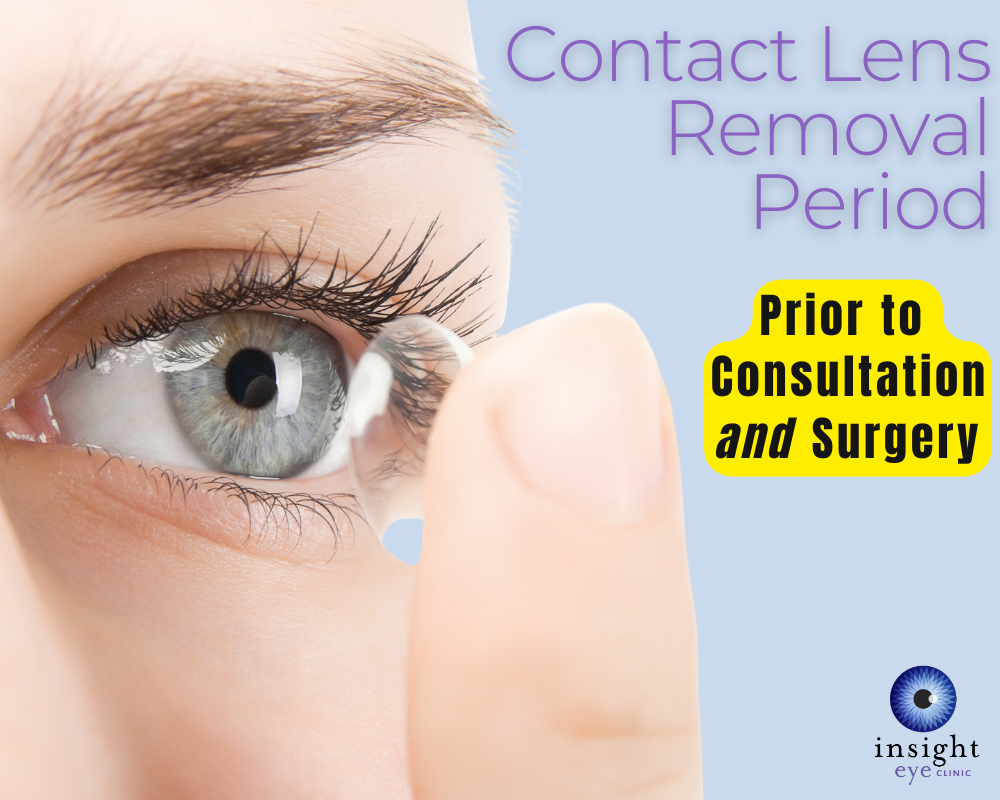
What type of contact lenses do you wear? It is relevant to the length of time they must be out. Read more...
Besides the obvious occasional double vision, red eyes and beer goggles... what are those units of alcohol really doing to our eyes?
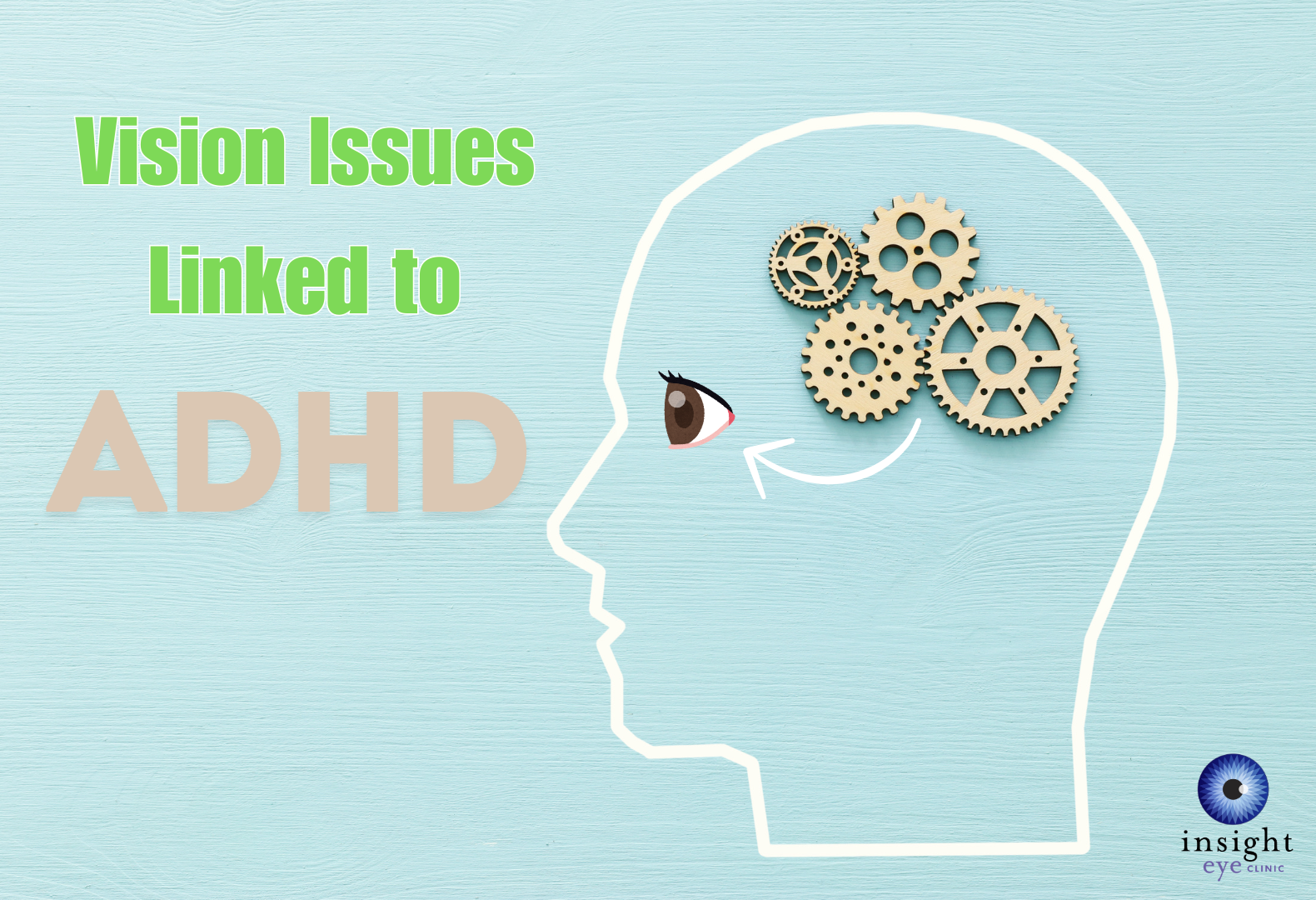
There are several vision issues linked to ADHD. What are they & how can you help treat the symptoms?
The best break-down you will get on laser eye surgery! Googles 21 most popular questions.
Request a callback

Enter your details below and we will call you back as soon as possible.

  • This field is for validation purposes and should be left unchanged.

Your info won’t be shared.

Page Contents


Guide for Choosing The Best Laser Eye Clinic

green circle with a white tick inside

This guide is a courtesy from Insight Eye Clinic on how to choose the best place to have laser eye surgery! Your sight is one of your most precious commodities so take the time to find the best Surgeon & clinic for you.

Whether you are long-sighted, short-sighted, astigmatic, wear glasses for reading (presbyopic) or have cataracts, you should consider these important points to help you make the best possible choice for you and your vision!

Open & Honest / Did you Feel Heard?

This is a big one for us and for most people. How did you feel? Did you like the staff? Did you feel heard when discussing your history and issues? Did you feel that the staff were invested in your outcome and best possible treatment plan?

At Insight Eye Clinic, the patient’s journey has always been prioritised. Through getting to know and understand the patient, we are able to customise their vision outcome to ensure their lifestyle is catered for. Not everyone’s needs are the same and it is up to us to pay close attention and really tailor the treatment outcome.

We remain open and honest about every step and possible complication (if any additional risks are present).  Not only is your own medical history extremely important, your family medical history is too. The patients commitment to their well engineered journey pays off with our ongoing commitment to their needs and outcomes.

Most of our patients come through word of mouth. We are proud to offer such a wonderful easy experience to our patients.

Reviews & Recommendations

What do people have to say about that clinic? For many years, surgical clinics were not allowed to request/receive online reviews. The Medical Board of Australia: AHPRA have had strict guidelines in place prohibiting medical practitioners from using or requesting patient testimonials.

In 2022, the guidelines slightly changed to state that testimonials not directly related to the ‘regulated health service’ are allowed.  Although this is a difficult restriction to have in place as everyone relies heavily on reviews, there are still several ways to see reviews left on many different platforms and we are grateful that people have had such great experiences that they wish to share them.

Surgeon

How many procedures has the surgeon performed? What are their success rates and what experience do they have? Upon meeting them, have they instilled confidence?  A lot of people seeking out information are under the impression that laser eye surgery and refractive surgery is all done by machine.  They don’t realise that without an experienced, knowledgeable surgeon; human error is still a very large possibility.

Dr Furness stays up to date on every level in order to offer the safest, most accurate and fast healing results.

Technology

laser

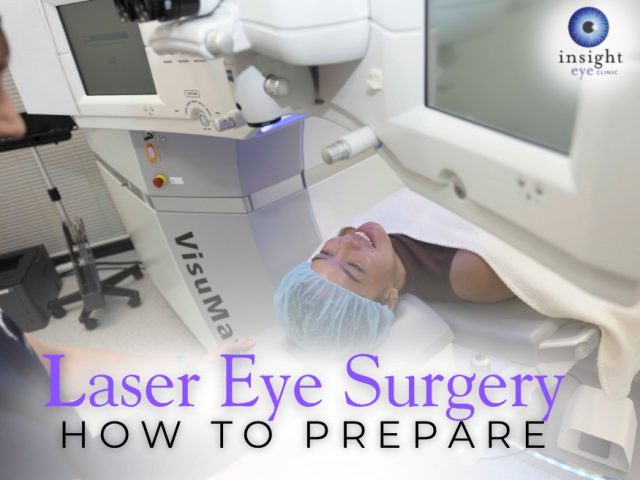
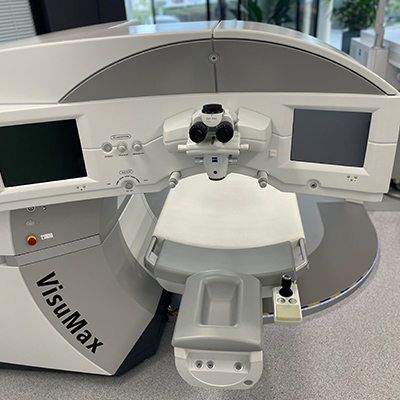
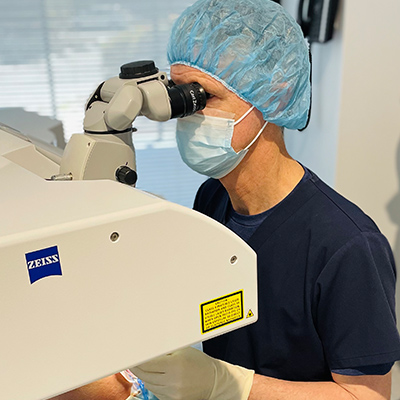
Needless to say, finding somewhere that actively take time and consideration when choosing their technology, is essential. Why wouldn’t you want the best for your eyes?  When it comes to laser surgery in particular, advancements are being made often. Currently, there are 3 generations of laser eye surgery with the most recent 3rd generation being: SMILE. There are spin-off’s of the same technology available, but currently, the gold standard in providers are Zeiss with their Visumax laser.

A good clinic should also remain knowledgeable with advancements in diagnostic equipment. You cannot ensure that surgical results are as accurate as they possibly can be without having equipment to test every topographical corneal nuance, pre and post-operatively.

Aftercare

Ensure that the clinic you choose is committed to looking after you throughout your laser eye surgery journey and during your post-operative months. Check what their aftercare initiative includes as this can mean the difference between a good and a great clinic. Great clinics/surgeons will stand by their results through offering a comprehensive follow up package that include post-operative appointments at the most crucial stages. Day 1 post-op, week 1, month 1, month 3 and month 6.

Cost

Is the cost of aftercare included in the quoted price? It should be.  One final figure should be given to you at your appointment with no hidden fees.  Be aware that some places have extra hospital fees or follow up costs.  Make yourself aware of this before you get an unpleasant surprise when it’s too late.

As is with most cases; you get what you pay for.  Do NOT be tempted by slash down prices.  If a clinic is a great deal cheaper from other clinics… they are usually cutting something somewhere and your eyes deserve the best!

We have seen clinics use terms that can be confusing to market surgical methods that are less common or have since been surpassed with newer, faster healing and safer methods.

Cleanliness

Does the clinic appear clean and tidy? A priority for any reputable clinic will be to maintain a high standard of cleanliness and hygiene. This is especially important for clinics with onsite surgical suites.

It is common to feel overwhelmed

A guide such as this can feel overwhelming, although it is designed to be helpful.  There are several very good providers of refractive surgery and who you choose is a personal choice.  If you are feeling overwhelmed, something as little as a phone call to discuss your options can make you feel so much better.  If you are interested in getting rid of your glasses or contact lenses and need some guidance, give us a call. It might just be the little bit of help you need to set yourself on the right path. 08 9440 4033.


Follow Us!

Eye-opening risks associated with Laser Eye Surgery

Why You Might be Unsuitable for Laser Eye Surgery

Laser Eye Surgery… Safer than Contact Lenses?

Can Laser Eye Surgery Improve My Life?

LASIK vs SMILE Laser Eye Surgery

Zeiss VisuMax Femtosecond

Page Contents

Screen Vision & Laser Eye Surgery


In today’s world, most of us spend more time looking at screens than at the world around us. Whether it’s work emails, social media, or streaming our favourite shows, digital devices have become an inseparable part of daily life. But with this constant screen exposure has come a new challenge, what experts are calling screen vision. It’s changing how we see, how our eyes function, and ultimately how we live.

As more Australians experience the effects of digital eye strain, short-sightedness, and general visual fatigue, many are seeking long-term solutions that don’t involve juggling glasses or contact lenses. This is where laser eye surgery is making a remarkable impact, offering people the chance to see clearly, comfortably and confidently in a screen-dominated world.

The Digital Age and Our Changing Vision

Our eyes weren’t designed for endless hours of close-up focus. The human visual system evolved to look into the distance – scanning landscapes, observing movement, and adapting to natural light. But today’s environment demands near-constant focus on screens just centimetres from our faces.

Screen vision laser eye surgery

This shift has given rise to what optometrists often refer to as Digital Eye Strain or Computer Vision Syndrome. Symptoms can include blurred vision, headaches, dry eyes, difficulty focusing, and even neck or shoulder pain caused by subconscious squinting or leaning closer to a screen.

In recent years, studies have shown that rates of myopia (short-sightedness) are climbing dramatically, particularly among younger generations. It’s estimated that by 2050, more than half the global population will be myopic – a staggering statistic driven largely by lifestyle habits.

Vision and Modern Lifestyles

For many Australians, visual fatigue has become part of everyday life. Office workers, students, gamers, and even outdoor professionals rely on screens to stay connected. Blue light exposure, reduced blink rates and poor visual ergonomics all contribute to deteriorating eye comfort.

The pandemic years also accelerated screen dependence, with remote work, online learning, and virtual communication becoming the new norm. For those already wearing glasses or contacts, these habits often made daily tasks even more frustrating – foggy lenses from masks, dry eyes from air-conditioning, and constant adjustments during video calls.

Laser eye surgery is increasingly being viewed as a way to reclaim control – to simplify life and remove the constant hassle of corrective eyewear in an environment where screens are unavoidable.

Why Laser Eye Surgery Is Rising in Popularity

laser eye surgery screen vision

Modern laser eye surgery – especially techniques like SMILE (Small Incision Lenticule Extraction) – has transformed what’s possible in vision correction. Unlike traditional procedures, SMILE uses a tiny incision (just a few millimetres wide) to gently reshape the cornea, correcting vision with minimal disruption and fast recovery.

The results are remarkable: clear, stable vision without the need for glasses or contact lenses. Many patients return to work and screen-based tasks within just a few days. It’s a life-changing shift for those who have spent years managing dry eyes, lost lenses, or scratched frames.

For professionals who rely on perfect visual focus, from designers and engineers to teachers and healthcare workers, having reliable vision without distraction can make a world of difference.

The Connection Between Clear Vision and Comfort

One of the less-discussed benefits of laser eye surgery is the improvement in overall visual comfort. Many people who’ve undergone surgery report not only sharper sight but also a noticeable reduction in eye fatigue during screen use. With no glasses sliding down or contacts drying out, their eyes simply feel more natural and relaxed.

Better vision also means better posture. Without leaning forward to read small text or squinting through smudged lenses, people often experience fewer headaches and less tension through the neck and shoulders. These subtle improvements add up to a meaningful difference in quality of life – particularly for those who spend long hours at a desk.

The Future of Vision Care

As technology continues to evolve, so too does the demand for clarity. Both in our screens and in our eyes. Laser eye surgery represents the next step in adapting to this digital lifestyle. It’s not just about seeing better; it’s about living better in a world that depends on visual precision.

At Insight Eye Clinic, Dr Graham Furness and the team specialise in advanced vision correction procedures such as SMILE, LASIK and PRK. Each treatment is tailored to individual needs and guided by cutting-edge diagnostic technology to ensure precise, long-lasting results.

With more Australians seeking freedom from glasses, laser eye surgery has become a modern solution to a modern problem, helping people see clearly in an age that demands more from their eyes than ever before.

Ready to see life with renewed clarity?
Laser eye surgery could be the key to sharper, more comfortable vision in our screen-filled world. To find out if you’re suitable, schedule a consultation at Insight Eye Clinic in Westminster or Subiaco today.

 Check out some of our other related blog posts

Page Contents

Understanding Visual Migraines


Causes, Effects and Solutions

If you’ve ever experienced sudden flickering lights, shimmering zigzags or blind spots that last for several minutes before fading away, you may have had what’s known as a visual migraine. While often harmless, visual migraines can be unsettling – particularly if they occur regularly or at inconvenient times such as while driving, reading, or working on a screen.

At Insight Eye Clinic, we often see patients who come to us concerned about these episodes. In this blog, we’ll explore what visual migraines are, why they occur, and the strategies that can help reduce their impact — including how addressing underlying visual strain through refractive surgery may help in certain cases.

What is a Visual Migraine?

A visual migraine (also called an ocular or ophthalmic migraine) is a temporary disturbance in vision that usually lasts anywhere from 5 to 30 minutes. Unlike a classic migraine, which is often accompanied by throbbing head pain, nausea, or sensitivity to light and sound, visual migraines primarily affect the eyes and vision.

Typical symptoms include:

>Bright flashing lights or shimmering spots in the vision.

>Zigzagging lines or patterns that seem to move across the visual field.

>Temporary blind spots (known as scotomas).

>Difficulty focusing on words or objects.

The symptoms often start small and then expand, sometimes creating a “kaleidoscope effect.” While they can occur with or without headache, many patients report that the visual phase resolves before any head pain begins.

What Causes Visual Migraines?

The exact cause isn’t fully understood, but visual migraines are believed to result from changes in blood flow to the brain and the visual cortex (the part of the brain responsible for processing sight). Temporary spasms in blood vessels can reduce blood supply, leading to these unusual visual disturbances.

Common triggers include:

For patients who already have refractive errors (short-sightedness, long-sightedness or astigmatism), uncorrected or poorly corrected vision may place additional strain on the eyes. This strain can increase the likelihood of visual migraines in some individuals.

Are Visual Migraines Dangerous?

Most visual migraines are considered benign and resolve on their own. However, frequent or severe episodes should always be discussed with your eye specialist. Visual disturbances can sometimes mimic other eye or neurological conditions, such as retinal detachment or transient ischaemic attacks (TIAs), which require urgent attention.

If you experience sudden flashes of light, a dark curtain over your vision, or persistent vision loss, you should seek medical care immediately.

Managing and Reducing Visual Migraines

While there isn’t a single “cure” for visual migraines, there are several approaches that can reduce frequency and severity:

  1. Identify and avoid triggers
    Keeping a migraine diary can help patients pinpoint triggers such as certain foods, stress, or environmental factors.
  2. Optimise lifestyle factors
    Staying hydrated, getting regular sleep, and managing stress through exercise or relaxation techniques can all be beneficial.
  3. Protect your eyes
    Reducing digital eye strain with regular breaks (the 20-20-20 rule), adjusting screen brightness, and wearing appropriate lenses can help. Sunglasses with quality UV protection may also reduce glare-related triggers.
  4. Medication and supplements
    For recurrent migraines, some patients may be prescribed medications to reduce frequency or severity. Magnesium supplements, for example, have shown benefits for some individuals.

Could Refractive Surgery Help?

A person laying on a surgery bed under a zeiss visumax laser about to have laser eye surgery

Interestingly, patients who undergo laser eye surgery such as SMILE, LASIK, or PRK often report a reduction in visual strain-related symptoms, including those linked to visual migraines. While refractive surgery is not a direct treatment for migraines, improving the quality of vision can relieve constant eye strain — which, for some, may play a role in triggering episodes.

For example:

At Insight Eye Clinic, we’ve seen patients who experience fewer visual migraines after surgery, particularly those whose episodes were closely tied to eye fatigue or poorly corrected refractive errors. Of course, every case is unique, and surgery may not affect migraines that are primarily vascular or neurological in origin. This is why a thorough consultation with Dr Graham Furness and our team is so important — we’ll help assess whether refractive surgery could play a role in reducing your symptoms*.

*Please note that there are no guarantees as to whether or not refractive surgery will improve your visual migraines.

The Patient Journey at Insight

If you’re concerned about visual migraines, our first priority is ensuring a thorough eye examination to rule out any underlying eye disease. We’ll discuss your symptoms in detail, review your visual history, and if refractive surgery is being considered, we’ll assess how your current visual correction may be contributing to the problem.

Should surgery be suitable, you can feel confident knowing that Dr Furness combines the latest technology with 20+ years of proven surgical outcomes. Our patients consistently highlight not only their improved vision, but also the dramatic improvement in day-to-day comfort, reduced eye strain, and enhanced quality of life.

Final Thoughts

Visual migraines can be a nuisance, but with the right management strategies; from lifestyle adjustments through to vision correction, many patients find relief. While not everyone’s episodes will improve with refractive surgery, correcting vision and reducing strain is an important step toward supporting long-term eye health and comfort.

If you’ve been struggling with visual migraines or feel that your current glasses or contact lenses aren’t giving you the clarity you deserve, book a consultation at Insight Eye Clinic. Together, we can explore the best solutions for your vision and help you see the world with greater comfort and clarity.

 Check out some of our other related blog posts

Page Contents

How to Get Rid of Reading Glasses


Looking for solutions to reading glasses? You’re not alone. When it feels as though your aging eyes have betrayed you and everything within arms length has become blurry, it can feel frustrating. Thankfully, there are options that can reduce or eliminate your need for glasses entirely!

Whether you are somebody who’s always worn glasses and you now need multifocal glasses or 3 different pairs of glasses… or you are someone who has never worn glasses and now find your vision problems worsening quite quickly, there are options.

Man reading book putting glasses on. Reading glasses + RLEPresbyopia is a gradual, age-related loss of the eyes’ ability to focus actively on nearby objects. It occurs when the lens inside the eye becomes less flexible and harder, making it difficult to change focus for near vision. Presbyopia typically becomes noticeable to those in their early to mid 40’s and worsens over time.

The best long-term surgical solution for presbyopia is refractive lens exchange (RLE).

What is Refractive lens exchange (RLE)?

The aim of RLE surgery is to minimise the need for glasses and contact lenses. People want to live day to day without the inconvenience of visual aids and without the restrictions caused by poor near vision. By replacing either one or both natural lenses within the eye(s), patients can achieve visual freedom.

RLE reading glasses - near vision problems

Vision results from RLE are permanent* and removal of the natural lens ensures that a cataract cannot form in your later years. You will gain many extra years of clear vision and remove the need for cataract surgery in your later years.

An intraocular lens (IOL) is used to replace the natural lens within the eye. There are various types of IOL’s which provide different vision outcomes. The type of lens selected for a patient is dependent on their current vision status, health, lifestyle and desired outcome.

*Excluding the onset of vision impairment as a result of unrelated health conditions.

Learn all about the different types of vision outcome options here

reading vision presbyopia The Importance of Pre-operative Scans

The preliminary consultation is extremely important. It provides the opportunity to meet Dr Furness, your operating surgeon, in addition to finding out exactly what type of visual outcome will suit you best.

Several diagnostic scans are performed which provide exact measurements of your eyes. These scans determine what lens is required to provide optimal vision following surgery. Dr Furness uses the most trusted and up to date technology to ensure the best possible vision outcome.

Dr Graham Furness – Chief Refractive Surgeon

Dr Graham Furness - ophthalmologist

Choosing the right surgeon is an important part of deciding to have surgery. Dr Furness recognises the importance of building a strong patient/doctor relationship and to understand each patient’s motivation for surgery. 

He is one of the few Perth based refractive and cataract surgeons that offers a variety of surgical procedures. These include SMILE laser eye surgery, LASIK, PRK and ICL in addition to RLE.

What to Expect from Insight Eye Clinic

• Patient-first approach – Every journey is personalised, with time taken to understand your goals, lifestyle and vision needs.

• World-class surgical expertise – Procedures are performed by Dr Graham Furness, one of Perth’s most experienced ophthalmic surgeons with 20+ years of proven outcomes.

• Advanced technology – Access to the latest techniques including SMILE, LASIK, PRK, ICL and RLE, ensuring the best option for each patient.

• Comprehensive pre- and post-operative care – From detailed diagnostic testing to ongoing follow-up, we prioritise safety, comfort and long-term success.

• Outstanding patient results – Thousands of happy patients enjoying life with clearer vision, reduced dependence on glasses and contact lenses, and life-changing outcomes.

• Trusted reputation – A consistent track record of excellence and patient satisfaction across both Subiaco and Westminster clinics.

Next Steps

  1. Get in touch! Contacting us for information/quotes/appointment availability is simple and there is no obligation to schedule anything. Work off your own availability and readiness
  2. Schedule your consultation with Dr Graham Furness in our Subiaco or Westminster rooms in Perth
  3. Organise your procedure for a date and time that suits you. We will do our best to work with your availability
  4. Enjoy your new vision ♥


Check out some of our other blog posts…

Reading Vision Woes for Gen X and Boomers

Presbyopia – What is that?!

What is Better than LASIK Laser Eye Surgery?

better than LASIK laser eye surgeryIf you’ve started looking into laser eye surgery to free yourself from glasses or contact lenses, chances are you’ve come across LASIK. It’s the most widely recognised name in the laser eye surgery world—and for good reason. LASIK has helped millions achieve clearer vision since it was first introduced.

But what if we told you that technology has evolved? That there’s now a more advanced, minimally invasive, and comfortable alternative to LASIK? At Insight Eye Clinic, we offer a next-generation procedure known as SMILE laser eye surgery, and for many patients, SMILE is better than LASIK.

Let’s dive into why.

First, a Quick Recap: What is LASIK?

LASIK (Laser-Assisted In Situ Keratomileusis) is a type of refractive eye surgery that reshapes the cornea using a laser. It works by creating a flap in the outer layer of the cornea, lifting it, and then using another laser to reshape the inner layers to correct vision. The flap is then repositioned to heal naturally.

LASIK is highly effective and has helped people with myopia (short-sightedness), hyperopia (long-sightedness), and astigmatism enjoy clear, glasses-free vision. However, despite its success, it’s not without its limitations—and that’s where SMILE comes in.

So, What is SMILE?A person laying on a surgery bed under a zeiss visumax laser about to have laser eye surgery

SMILE stands for Small Incision Lenticule Extraction. It’s the most advanced form of laser vision correction available today, and it’s also the most commonly performed laser eye procedure at Insight Eye Clinic.

Unlike LASIK, SMILE is flap-free. It uses a single laser (a femtosecond laser) to create a tiny disc-shaped piece of tissue (called a lenticule) inside the cornea. This lenticule is then removed through a small keyhole incision—just 2–4mm wide—allowing the cornea to reshape and correct your vision.

SMILE offers the same vision correction outcomes as LASIK, but with a host of added benefits.

Why SMILE is Better than LASIK

1. Flap-Free Means Less Disruption to the Eye

One of the biggest drawbacks of LASIK is the creation of the corneal flap. While it heals well in most cases, the flap can occasionally dislodge, especially in contact sports or if the eye is rubbed too soon after surgery.
With SMILE, there is no flap. The procedure is minimally invasive, which means fewer nerves are disrupted and the integrity of the cornea is better preserved. This makes SMILE particularly ideal for people with active lifestyles, athletes, or those who work in environments where eye safety is critical.

person under laser ready to have laser eye surgery

2. Faster Recovery and Less Discomfort

Because SMILE involves a much smaller incision and less disruption to the surface of the eye, patients often experience less dryness, faster recovery, and greater comfort in the hours and days following surgery compared to LASIK.

At Insight Eye Clinic, our patients commonly report that their vision is significantly clearer the very next day, and they can return to work or their normal activities much quicker.

3. Lower Risk of Dry Eye

Dry eye symptoms are a known side effect of LASIK, often due to the severing of corneal nerves during flap creation. These nerves help regulate tear production, and when disrupted, the eye can temporarily produce fewer tears.

SMILE surgery affects fewer nerves, meaning there’s a lower risk of dry eye syndrome—a major benefit for anyone who already struggles with dryness or wears contact lenses.

4. Greater Corneal Stability

Because SMILE leaves more of the corneal structure intact, the result is a stronger, more stable cornea. This can reduce the risk of long-term complications and allows a broader range of patients—including those with thinner corneas—to be suitable candidates for surgery.

This structural advantage is one of the reasons many surgeons, including Dr Graham Furness, choose SMILE as their preferred method of laser eye correction.

5. Equally Excellent Visual Results

SMILE delivers visual outcomes that are on par with LASIK, and in many cases, patients achieve 20/20 vision or better. It’s not just a safer or more comfortable procedure — it’s highly effective.

At Insight Eye Clinic, we’ve seen outstanding long-term results with SMILE, and our patients consistently express how amazed they are at how clearly they can see — often from the moment they wake up the next morning.

What Can SMILE Treat?

SMILE is most commonly used to correct short-sightedness (myopia) and astigmatism. Recent developments in technology mean that patients with long-sight (hyperopia) may now be eligible too. Most people who are suitable for LASIK are also suitable for SMILE.

That’s why a thorough assessment with Dr Furness and our team is so important. During your consultation, we’ll perform advanced diagnostic testing to determine the best option for your eyes and your lifestyle.

Why Choose Insight Eye Clinic and Dr Graham Furness?Vector image of Dr Graham Furness

Choosing where and who performs your laser eye surgery is just as important as choosing the procedure itself.

At Insight Eye Clinic, Dr Graham Furness leads our surgical team. Dr Furness is an experienced refractive and cataract surgeon with a focus on precision, patient care, and delivering life-changing results. He’s one of the few surgeons in Perth with extensive experience in SMILE, LASIK, PRK, RLE, and ICL procedures, meaning you’ll always be recommended the option that best suits you—not just the one that’s available.

We pride ourselves on providing:

• Comprehensive pre- and post-operative care

• The latest in laser technology

• Honest advice and realistic expectations

• A warm, friendly, and personalised experience

Our goal is to help you achieve freedom from glasses or contacts—with comfort, confidence, and clarity.

Is SMILE Right for You?

Cost concernIf you’re considering laser eye surgery, and you’ve heard about LASIK, it’s worth exploring SMILE as a more modern, less invasive alternative. SMILE may offer you a smoother recovery, fewer side effects, and equally brilliant visual outcomes.

And the best part? At Insight Eye Clinic, your journey starts with a no-pressure, comprehensive consultation. We’ll walk you through your options, answer all your questions, and make sure you feel confident in every step.

Ready to Ditch the Glasses?

Discover the difference SMILE can make. Book your consultation with Dr Graham Furness and the Insight Eye Clinic team today.

Visit www.insighteye.com.au or call us to take your first step toward life-changing vision.


Clearer. Simpler. SMILE. 

Please see other laser eye surgery blogs such as:

Laser Eye Surgery Cost

Why You Might be Unsuitable for Laser Eye Surgery

Eye Surgery Costs And Eligibility

The Awkward Age of 40


**None of the information in this blog post is to be construed as medical advice, nor is it intended to replace the recommendations of a medical professional. For specific questions, please see your eye care practitioner.**

How Laser Eye Surgery is Transforming Wedding Days for Brides and Grooms


There’s so much to think about when planning a wedding — the dress, the suits, the venue, the guest list, the flowers. But one important detail is often overlooked: your vision.

At Insight Eye Clinic, we’re seeing more and more couples opt for laser eye surgery in the lead-up to their big day — and for good reason. After all, your wedding is one of the most memorable and emotional days of your life. You want to see it clearly, comfortably, and confidently — without glasses sliding down your nose or contact lenses drying out halfway through the vows.

Let’s explore why having laser eye surgery before your wedding might just be the best thing you do for yourself — both practically and emotionally.

✨ You Deserve to See Every Moment — Clearly

Your wedding day will fly by in a joyful blur of emotion, laughter, and beauty. From the first look to the last dance, there are so many once-in-a-lifetime moments. With clear vision, you won’t miss a single one.

Founding surgeon, Dr Graham Furness, understands the importance of planning ahead and wedding day preparations.

Whether it’s:

~ Locking eyes with your partner as you walk down the aisle

~ Seeing the joyful tears in your parents’ eyes

~ Reading your vows without blurry notes

~ Watching your loved ones light up the dance floor

…having crisp, clear vision makes those moments even more powerful.

👰 Say Goodbye to Glasses with Laser Eye Surgery

Wearing glasses on your wedding day can feel like a hassle:

~ They may not suit your dream hairstyle or makeup

~ They can reflect in professional photos

~ Outdoor ceremonies risk fogging or slipping in the heat

~ You may have to switch between prescription sunnies and regular glasses

This quick procedure lets you walk down the aisle without compromise — no smudges, no frames, no awkward adjustments.

No More Contact Lens Stress

Let’s face it — contact lenses can be temperamental. Dry eyes, irritation, and last-minute lens mishaps are not what you want on your wedding morning.

Many of our brides and grooms say they feel liberated by not having to:

~ Pack backup lenses and solution

~ Deal with itchy, red eyes during or after the ceremony

~ Worry about lenses drying out on long-haul honeymoon flights

Honeymoon-Ready Vision

wedding day - laser eye surgery

Whether you’re snorkelling in the Maldives, hiking in New Zealand, exploring European cities, or keeping it local in Perth WA, laser vision correction makes travel and relaxing even easier.

✅ No need for glasses in the ocean or contacts in hotel bathrooms
✅ No extra luggage space for lens cases and cleaning products
✅ Just you, your partner, and hassle-free vision

⚡ Fast Recovery, Long-Lasting Results

The good news? Procedures like SMILE and LASIK offer fast recovery, with most patients seeing significant improvement within 24–48 hours.

We recommend scheduling your consultation and treatment a month or more before your wedding to allow time for your eyes to adjust. Our team will guide you through a personalised plan to ensure your eyes — and your vision — are in perfect condition for your big day.

❤️ An Investment beyond the Wedding Day

Your wedding is just the beginning. From travelling the world to raising a family, renovating your first home to lazy Sunday brunches — having clear, unaided vision makes every part of your shared life that little bit easier.

Having a vision correction procedure isn’t just about convenience on one day. It’s a lasting investment in your lifestyle, your comfort, and your confidence.

Ready to See Your Wedding Day in Full Clarity?

At Insight Eye Clinic, we offer state-of-the-art laser vision correction options including SMILE, LASIK, and PRK, tailored to your unique eyes and lifestyle. With locations in Subiaco and Westminster, Dr Furness and the team offer a tailored experience to ensure the best possible journey, outcome and minimal disruption to your everyday life.

Alternatives to Laser Eye Surgery

There are several reasons that a person might not meet the suitability criteria for laser surgery (Why You Might Not be Suitable for Laser Eye Surgery). If this is the case, Dr Furness offers alternatives such as ICL (implantable contact lenses) or RLE (refractive lens exchange).

Rest assured that you are choosing an expert who specialises in various fields. Dr Furness ensures that each individual receives the best surgical recommendation for their eyes and vision requirements.

📍 Book your consultation with Dr Graham Furness today — and say “I do” to clear vision.

*Please note this blog is not a substitute for medical advice.  If you have any concern about your vision quality or eye health, we urge you to contact your GP or Ophthalmologist**


Follow below for some additional blog posts

LASIK vs SMILE Laser Eye Surgery

Contact Lenses – Removal Period for Optimal Surgery Results

Laser Eye Surgery – Google’s 21 Most Popular Questions

Page Contents

SMILE vs LASIK: What’s the Difference? | Insight Eye Clinic Perth


By Dr Graham Furness | Insight Eye Clinic – Perth

👁️ Thinking About Laser Eye Surgery?

If you wear glasses or contact lenses, chances are you’ve thought about laser eye surgery. It’s quick, effective, and can transform your everyday life — but with several options available, you might be wondering: “What’s the difference between SMILE and LASIK, and which one is best for me?”

At Insight Eye Clinic, we offer both procedures — and our priority is helping you make an informed, confident decision. Here’s a simple breakdown of how SMILE and LASIK work, their key differences, and how to know which one might be right for your eyes.

🔬 What Is LASIK?

LASIK (Laser-Assisted In Situ Keratomileusis) has been a popular form of laser eye surgery for over two decades. It involves:

• Creating a thin flap in the cornea.

• Reshaping the underlying tissue with a laser to correct your vision.

• Repositioning the flap to heal naturally.

LASIK is effective for treating short-sightedness (myopia), long-sightedness (hyperopia), and astigmatism, with most patients experiencing dramatically improved vision within 24–48 hours.

🌟 What Is SMILE?

SMILE (Small Incision Lenticule Extraction) is the latest advancement in laser eye surgery — and one we’re proud to offer at Insight Eye Clinic. It’s:

• Minimally invasive: No flap is created.

• Gentler on the eye: A small laser incision (~2–4 mm) is made in the cornea to remove a lenticule (a thin layer of tissue), reshaping the eye.

• Quick recovery: Most patients return to normal activities within a day or two.

SMILE is ideal for people with myopia or astigmatism — especially those who lead active lifestyles or want a lower risk of dry eyes.

infographic with details about surgery generations of laser eye surgery. PRK / LASIK / SMILE
SMILE vs LASIK vs PRK

Contact us button🔍 SMILE vs LASIK: Side-by-Side Comparison

Feature SMILE LASIK
Type of Surgery Minimally invasive (no flap) Flap-based surgery
Recovery Time 1–2 days 1–2 days
Dry Eyes Lower risk Slightly higher risk
Ideal For Active people, athletes, dry eye sufferers Broad range of prescriptions
Suitability Myopia, astigmatism Myopia, astigmatism, hyperopia
Technology Used ZEISS VisuMax® femtosecond laser Excimer & femtosecond lasers

Man on bicycle looking at a herd of sheep💡 So, Which One Is Right for You?

The answer depends on your eyes, your lifestyle, and your goals. At Insight Eye Clinic, we don’t believe in one-size-fits-all solutions. Instead, Dr Graham Furness personally assesses each patient to determine which treatment offers the best outcome.

    SMILE may be better if:

      • You play contact sports or live an active lifestyle.

• You want a flapless procedure.

      • You’ve had dry eyes in the past.

    LASIK may be better if:

      • You have hyperopia (long-sightedness).

      • You want a longer-established option with broad suitability.

      • You’re not suitable for SMILE based on corneal thickness or eye shape.

Image of Dr Graham Furness at Insight Eye Clinic in Perth

📍 Why Choose Insight Eye Clinic?

We’re not just a laser eye surgery clinic — we’re your partners in vision. At our Subiaco and Westminster locations, we offer:

State-of-the-art ZEISS technology
Tailored, honest recommendations from Dr Furness
A calm, boutique environment focused on your comfort
Proven results with hundreds of happy patients across WA

📞 Ready to See Clearly?

If you’re curious about SMILE, LASIK, or want to find out which option fits your eyes best, we invite you to book a refractive assessment with Dr Furness.

👉 Book online now or call us at (08) 9440 4033 or email us at: info@insighteye.com.au
👁️ Your future without glasses could be just one appointment away.

🧠 FAQ

Is SMILE safer than LASIK?
Both procedures are safe, but SMILE has a smaller incision and may reduce the risk of dry eye and flap-related complications.

Can I get SMILE if I have astigmatism?
Yes! SMILE is FDA-approved and widely used for treating both myopia and astigmatism.

What if I’m not suitable for either?
We also offer Refractive Lens Exchange (RLE) and Implantable Contact Lenses (ICLs) — perfect for patients who don’t meet LASIK or SMILE criteria.

Transparency is Key

At Insight Eye Clinic, we believe a transparent approach is the best way to achieve trust with our patients.  We understand how important it is to build a good relationship with your eye surgeon before your treatment date.  Insight Eye Clinic offer a surgeon consultation to ensure the most accurate possible measurements are taken and that all the scans performed are as accurate as possible.

Highly trained staff will ensure a smooth journey from your first appointment to your last appointment with minimal effort required on your part.  Friendly clinics in the heart of Subiaco and Westminster, WA, are the most accessible location for patients; making appointments quick and easy!

Competitive Pricing Guaranteed

We do our best to make the procedure as affordable as possible.  Not only do we offer INTEREST FREE FINANCE over a maximum of 24 months, but we also include all of your aftercare appointments for the first 6 months post-op, eye drops, SOEK® sustainable sunglasses and we even provide an endorsement letter stating you no longer require spectacles for your drivers license… something very few people would think about which may later be a nuisance.

Contact us button


Follow Us!

**Please note this information is not a substitute for medical advice.  If you have any concern about your vision or treatment recommendation, we urge you to contact your GP or Ophthalmologist.

Laser Eye Surgery vs Glasses. What Costs More?

Guide for Choosing The Best Laser Eye Clinic

Can Laser Eye Surgery Improve My Life?

Is Laser Eye Surgery Permanent?

Page Contents

Healthcare Workers – What are the Benefits of Laser Eye Surgery?


There are endless benefits to having laser eye surgery. If you wear glasses or contact lenses and are visually impaired without them, you know first hand how disruptive the requirement for them is.  And if you need more reasons to seek clear vision… there are several posts on our blog page about how amazing laser eye surgery is.  We also have dozens of video’s of people’s reactions immediately after laser eye surgery on TikTok.

Contact us today 

Why is clear vision at every depth important? 

Clear vision at every depth, in every lighting, is integral for successful patient care. You are required to read the tiny writing on pill bottles, prescriptions and vials, accurately administer treatments, read and add patient notes both on paper and on the computer, make assessments in high pressure environments from a distance, maintain good spatial awareness in busy crowded spaces and, well… everything else! And the hardest part of all of this? There is very little to zero error allowed.

Night shift workers often have to do all of these things with very bright fluorescent lighting or very little lighting on the wards with patients sleeping.

How does nightshift work affect the eyes?healthcare worker night shift 

Night shift work can negatively affect eyes by disrupting circadian rhythms, potentially leading to visual fatigue, dry eye symptoms, and even increasing the risk of certain eye conditions such as AMD.

Eliminating the need for contact lenses, can reduce dry eye symptoms and increase your eyes comfort level if working nights.

Laser eye surgery provides increased comfort in eyes due to a massive reduction in dry eye cases following surgery

Constant exposure to hospital ducted air conditioning can be taxing on our eyes. Low humidity conditions and recirculated air cause an increase in tear evaporation which intensifies dry eye symptoms. Contact lens wearers are already at high risk of dry eye symptoms which cause eyes to be itchy, watery, burn and feel heavy and tired. Adding constant exposure to these AC systems exacerbates dry eye symptoms which can lead to corneal erosion (a more serious occurrence following long-term or extreme corneal dryness).

Improved peripheral vision for a 360° view

paramedics attending an emergency situation

Anyone who wears glasses understands that your vision is limited to the area of your glasses lens that you are able to look through. This can be restrictive for healthcare workers that work in a role that is faster paced, such as a paramedic, someone in the emergency department or a registered nurse.

Glasses do not give you immediate access to your peripheral vision in certain cases. This situation in turn, has made their job that bit more difficult.

Daily life is easier following laser eye surgery when you no longer rely on glasses and contact lenses

We have demonstrated how your working life can be vastly improved, but what about your personal life?  Well… how much time do you have?  A reduction in Optometrist appointments, having to re-test eyes and constantly re-order contact lenses, the cost of glasses, improved family life, socialising without the need of glasses and contacts, going on holiday, swimming, playing all sport! And do I even need to mention the main benefit – the simple act of seeing clearly with naked eyes upon waking! 

Nurses x3. Australia
How many healthcare workers are there in Australia?

In 2022, the health workforce represented 5.0% of the total employed workforce in Australia. During that year, over 688,000 healthcare professionals were actively working in their respective registered professions. Nurses, account for 54% of total health industry employment (around 372,000 registered nurses in 2022).

With such a diverse array of roles within this industry, there are so many reasons to have laser eye surgery.  New technology and straight forward aftercare makes having laser eye surgery easier than ever.  Dr Furness can also provide your with a medical certificate for any additional time off required (work environment dependent during the healing phase). This allows you to access your sick leave and not your personal leave.

FAQ’s

Where should I go for laser eye surgery?

Dr Graham Furness at Insight Eye Clinic is one of the most experienced Refractive & Cataract Surgeons in Western Australia. Dr Furness is a corneal expert who specialises in ReLEx SMILE, LASIK, PRK, ICL (implantable contact lens) and RLE (refractive lens exchange). Dr Furness has also specialised in cataract surgery since 1999, offering a variety of vision outcomes to suit each unique person’s daily vision requirement.

outline of lots of people jumping at sunset at the beachWhat is the process to visual freedom?

You will first require a consultation in either our Subiaco or Westminster clinic. This process can take between 2 and 3 hours and a full eye health assessment with Dr Furness is also included. Various diagnostic and vision tests will ensure what surgery type is best suited to your daily life. Following your consultation, surgery can be scheduled if you are a suitable candidate. Depending on the surgery type required, you might have to wait between 2 and 6 weeks. Following surgery, a few standard post-operative appointments are required, as well as post-op eye drops for a short period.

How quickly can I see after surgery?

After laser eye surgery, results are immediate and continue to improve over the coming weeks.  For the first few hours afterwards, vision can seem a little foggy and eyes may feel a little light sensitive. Correct aftercare protocol is very important and will ensure the optimal outcome. Almost all patients have reached driving standard vision (usually better) by the following morning.

Is laser eye surgery permanent?

Yes, laser eye surgery is permanent. During the procedure, a tiny amount of corneal tissue is removed to reshape the patient’s eye.  Once the tissue is gone, it is gone permanently. In some cases, people can redevelop refractive error. This will be discussed during a consultation.

Presbyopia is an occurrence that happens to everyone in their mid to late 40’s. The eye loses some of its ability to accommodate and people begin to notice their near vision becoming blurrier and blurrier over time. This is age-related and unrelated to the laser eye surgery procedure performed. There are surgical options available to help with presbyopia, such as RLE (refractive lens exchange).

How much does laser eye surgery cost?

The cost of laser eye surgery is dependent upon where you go. At Insight Eye Clinic, we offer third generation ReLEx SMILE surgery (the latest technique), at only $3400 per eye which is inclusive of everything excluding your consultation fee.  Surgery, post-operative eye drops, surgeon fee and post-operative care is all included in this price. There are no hidden fees. We also gift all laser patients a pair of high quality, polarised sunglasses made from sustainable materials to protect your eyes after surgery. Interest free finance is available for up to 2 years!

The most common statement we hear from our patients after they’ve had their laser eye surgery procedure is, “I wish I had done this sooner!”  You cannot regain the time you’ve been wearing glasses or contact lenses, but you can make the choice to find out if you are eligible for visual freedom.

Please see the below blogs and visit our social media platforms for educational information related to all types of eye surgery available with Dr Graham Furness at Insight Eye Clinic.


Follow Us!

Laser Eye Surgery vs Glasses. What Costs More?

Can I Go Blind from LASIK or SMILE?

Is Laser Eye Surgery Worth It?

Why You Might be Unsuitable for Laser Eye Surgery

*Please note: this blog cannot be used as medical advice. Please consult your GP, Optometrist or Ophthalmologist regarding any eye issues, concerns or queries related specifically to you*

Page Contents

laser eye surgery

LASIK or SMILE? How to Choose


Understanding the differences and the surgery type for you

It can be difficult to understand and navigate the laser eye surgery market without investing many hours into research or lots of money into visiting Ophthalmologists to understand your surgical options.  One of the most recent advancements in laser eye treatment is third generation SMILE laser eye treatment.  Find out why SMILE is so great but why the tried and trusted method, all laser LASIK, is still a worthy contender.

LASIK vs PRK vs SMILE


Contact us todayThree Generations

We started with PRK… but we’re not here to discuss PRK.  This post is all about LASIK and SMILE.  From the image above, you can see how each procedure is performed and you might think, ‘SMILE looks easier, like there are less steps involved’.  You are correct.  SMILE laser eye treatment only involves the use of one laser.  Our VisuMax Femtosecond is used to perform SMILE and creates the flap in the cornea during LASIK laser eye surgery. It is one of the most recent advancements in laser eye surgery.

Know your options!

LASIK on the other hand, requires the use of 2 different lasers.  A combination of the VisuMax Femtosecond and the Wavelight Allegretto.  The first step is to create the flap in the cornea, the second step is to lift the flap and to reshape the corneal tissue below the flap.  Removing this microscopic amount of tissue allows the light entering your eye to hit the correct point at the back of your eye (see diagram to the right).

How is SMILE different?

SMILE operates under the same law, removing corneal tissue to reshape the eye.  This in turn corrects your vision.  It is just done slightly differently, creating a lenticule within the corneal layers. The lenticule is then removed via a tiny laser incision on the surface of the eye.

You are NOT suitable for SMILE if you are LONG SIGHTED!

Why Choose SMILE laser eye surgery?

At Insight Eye Clinic, Dr Graham Furness will perform a full eye health check and visual assessment before making a recommendation for surgery.  He will advise what you are suitable for and what your outcome will be; not only short term, but long term.

SMILE uses less energy meaning less post-operative dryness

Dry eyes are a common side effect which can last anywhere from 1 week to 6 months following your surgery.  This method means that your doctor can reduce the amount of time you are using lubricating eye drops.  It also means that the thousands of patients that suffer with dry eyes caused by contact lenses, environment, medication etc, can now have surgery with less risk of long term dryness.

No flap means no flap complication risks!

Unlike LASIK, there is no flap present in SMILE laser eye surgery.  Refer to above image if you’re not too sure about flaps!  With LASIK surgery, there is risk present related to the flap that is created in the corneal tissue with the laser.  Not many, but they’re there.  By getting rid of the need for a corneal flap, the experts have reduced the risks when having SMILE.

Less tissue removal

Less corneal tissue is removed during this process. This is extremely helpful for those with naturally thinner corneas. It allows patients with a naturally thinner cornea to still benefit from a fast recovery laser eye procedure. It also leaves more room for a future surgery, should one be required. 1-2% of patients require a follow-up enhancement.


Why Choose LASIK?

As mentioned earlier, you cannot have SMILE if you are long-sighted and for those patients with long-sight, LASIK is recommended if you meet the criteria at your consultation with Dr Furness.

LASIK is a fantastic method for correcting short sight, long sight and astigmatism.  Some patients might prefer this laser option because of its longer track record or maybe because they have a family member or a friend who is very happy with their outcome from LASIK.

As far as results go, we have found that the visual results achieved with SMILE are on par with those of LASIK.


Both procedures will give you fantastic results!

Regardless of what you are recommended by your doctor, it is good to choose a doctor that can offer a variety of surgical options and who has lots of experience and a fantastic track record.  We recommend you do your research and ask lots of questions.  At Insight Eye Clinic, we are always more than happy to answer any questions you have related to your eyes and your surgery.

Follow us on social media for regular updates on patient journey’s and everything EYES! 


Additional blog posts:

Please see other laser eye surgery blogs such as:

Laser Eye Surgery Cost

LASIK vs SMILE Laser Eye Surgery

Why You Might be Unsuitable for Laser Eye Surgery

The Awkward Age of 40

Thank you for visiting our blog.  For any additional information related to this post or the additional blog posts tagged, please contact us

Page Contents

Contact Lens Removal for Optimal Laser Eye Surgery Results


Contact lens removal in the lead up to a laser eye surgery consultation and the surgery day is imperative for optimal results. There are various types of contact lenses which have different ‘washout periods’ (a set period of time that treatment must cease). Let’s discuss this in a little more detail.

How contact lenses change our cornea 

A contact lens is a thin round lens that sits on the surface of the eye. It is used to correct refractive errors such as:

contact lens being inserted into eye

When refractive error is present, the light that enters the eye does not come to focus directly onto the retina (located at the back inside of the eye). This means that whatever you are looking at, is blurry. The degree of refractive error determines the level of blur. A contact lens can be used to slightly reshape the surface of the cornea, allowing light to refract directly onto the retina, creating a clear image.

Various types of contact lenses

If you are a contact lens wearer, you will know that there are different types of contact lenses to correct vision. The main deciding factors that determine the best type of contact lens for the wearer are:

These types include:

*(abb. CL = contact lens)

Soft CL’s

Made of flexible plastic, these are the most common type of contact lens. They are comfortable, easy to adjust to, and can correct near-sightedness and farsightedness. However, they can absorb pollutants like soap and lotion, and they are fragile.

Ortho-keratology 

Also known as ortho-k, these lenses are worn overnight to temporarily change the shape of the cornea. They are most commonly prescribed to correct nearsightedness. The effects of ortho-k are not permanent, and the lenses must be worn consistently. 

Gas permeable (RGP)

Also known as rigid gas permeable (RGP) lenses, these are harder than soft lenses and are made of silicone polymers. They are durable, keep their shape well, and can correct astigmatism and other refractive errors. However, they may be less comfortable than soft lenses at first. 

Hybrid CL’s 

These lenses have a rigid gas permeable central zone surrounded by a hydrogel or silicone hydrogel material. They are designed to be comfortable like soft lenses, but with the clear optics of RGP lenses. 

Toric / Non-toric 

Toric means that the contact lens provides correction for astigmatism. A non-toric lens (you guessed it!) means that the contact lens does not correct for astigmatism.  

NB: CL’s can create a lot of waste because they are made from non-biodegradable plastic. Some research suggests that contact lenses can shed microplastic particles, and the potential impact on human health is not yet known. 

Table showing washout period for various types of contact lenses

How to maintain good vision during the washout period

Patients wearing RGP / ortho-K / hybrid CL’s can co-ordinate with their Optometrist to use soft CL’s in the lead up to their consultation. As per the chart, soft CL’s must be removed 2 weeks prior to the consultation where pre-operative scans that map the cornea are performed. Patients must be prepared to have a set of glasses that provide reasonable vision.

Do all procedures require the CL removal period or only laser eye surgery?

The CL removal period discussed above, applies to almost all procedures performed at Insight Eye Clinic. These include:

If you would like to enquire about any procedure, please contact us on 08 9440 4033. Dr Graham Furness is our Chief Surgeon who performs all the surgical procedures. We have 2 locations in the Perth area: Subiaco and Westminster.

Other blog posts by Insight Eye Clinic


Page Contents

alcohol


Alcohol’s Scary Effects on the Eyes
alcohol

Besides the obvious occasional double vision, red eyes and beer goggles… what are those units of booze really doing to our eyes?

Short term effects

Co-ordination – Drinking alcoholic beverages slows the communication between the brain’s neurotransmitters.  This means information cannot pass between the brain and the body as easily as when sober. This can lead to poor coordination in the eye muscles, which causes distorted or double vision.

Twitching of the eye –  It can stimulate our eye muscles causing the eyelid to twitch.  This is known as myokymia.

Dry eyes – Beer, wine, cider & spirits are diuretics; meaning that it increases the flow of urine.  This fact along with the fact that they are dehydrating means that we often wake up with dry irritated eyes.  Dry eye syndrome can be worsened for those who already suffer with this uncomfortable condition.

Loss of contrast – Alcoholic drinks decrease the reactions of the pupils, meaning that they cannot constrict or dilate correctly according to the levels of light surrounding them. This affects the ability of the eye to detect contrasts between different colours and shades, important in activities such as driving or playing sports. Alcohol can also reduce the eye’s capability of detecting differences between light and dark by 30%.

Bloodshot eyes – Alcohol reduces oxygen to your red blood cells, causing blood vessels to clump together and resulting in a ruddy complexion and red, bloodshot eyes.

How Alcohol Affects Your Eyes

Long term effects

Cataracts – Multiple studies have shown increased cataract formation in patients with higher alcohol consumption.

AMD (Age related Macular Degeneration) – When damage to the retina (which can be caused by long-term excessive amounts of alcohol) results in loss of vision in the centre of the eye.

Vitamin deficiency – Heavy drinking affects the absorption of vitamins in the liver which are needed to maintain healthy eyesight.  For example, a vitamin B-1 deficiency due to alcohol consumption can cause a weakness or paralysis of the eye muscles. Or a vitamin A deficiency due to alcoholism can cause: night blindness, thinning of the cornea, corneal perforation, dryness, and even blindness due to retinal damage.

Optic Neuropathy – A serious risk, says a study conducted by the British Journal of Ophthalmology, and involved a painless loss of vision stemming from drinking alcoholic beverages excessively. Complete and permanent loss of eyesight can also be called tobacco-alcohol amblyopia, or toxic amblyopia.

Korean researchers have found traces of alcohol in patient tears which decreased the quality of the tears. A compromised tear film may result in dry or irritable eyes and impact upon vision.

Alcohol's Effect on Eye Health

Most, if not all, of the short-term effects from alcohol will go away on their own, but if you suspect you may be suffering from some long-term effects, make an appointment with your eye doctor immediately.  If you think you or someone you know may have a problem with consumption, Drinkwise Support Services and Alcoholics Anonymous have many resources to help.

               Follow Us!

Laser Eye Surgery… Safer than Contact Lenses?

LASIK vs SMILE Laser Eye Surgery

Laser Eye Surgery vs Glasses. What Costs More?

Eye-opening Risks associated with Laser Eye Surgery

Why You Might be Unsuitable for Laser Eye Surgery

https://insighteye.com.au/3rd-generation-smile-laser-eye-surgery/

If you have found this post helpful and informative, you might like to visit our blog page for several other informative eye related posts.  At Insight Eye Clinic, we offer a FREE phone suitability assessment prior to a surgeon consultation. This enables us to rule out any potential reasons that you might not be a suitable candidate for refractive surgery.  We are the only Perth, WA based clinic that offers ALL 3 generations of laser eye surgery (SMILE, LASIK & PRK) in addition to implantable contact lenses, refractive lens exchange and cataract surgery.

**Nothing in this blog post is to be construed as medical advice, nor is it intended to replace the recommendations of a medical professional. For specific questions, please see your eye care practitioner.**

Page Contents

ADHD Linked to Vision Issues


Talk of ADHD seems to be everywhere these days. Social media and daily conversations often hold reference to ADHD. The awareness created around this topic is fantastic for teaching people about this disorder. It is helping those without it to understand neurodivergence a little better. So, what a great time to discuss some links between various vision disorders and ADHD that you probably didn’t know about!  

The links that will be discussed during this blog might even assist parents/caregivers to seek the correct help that could reduce ADHD symptoms in their little ones. It might even be the missing link for an adult struggling with daily symptoms.  

image showing someone looking frazzled with text 'understanding ADHD' above it

So… What is ADHD? 

ADHD stands for attention deficit hyperactivity disorder. It is a neurodevelopmental condition that causes differences in the brain related to attention, behaviour, and activity levels, including impulsivity and hyperactivity.  

For many years, people have misunderstood the depth in which ADHD can affect a person. People have believed that it is typically associated with hyperactive children (usually boys) who struggle to focus and complete tasks.   

In reality, ADHD is more than being easily distracted and an inability to sit still (which is often just a symptom of childhood). Brain scans comparing the brains of people with ADHD to neurotypical people show several differences. ADHD causes differences in: 

Image showing 2 brains. 1 is classed as normal and the other as having ADHD> Brain structure 

> Brain development 

> Brain function  


What vision issues relate to ADHD? 

Various statistical analysis studies showed that there is a higher number of vision disorders related to people with ADHD vs people without ADHD.  The most commonly found vision disorders linked were: 

image showing an eyeball with normal vision and another eyeball with astigmatismAstigmatism  

An imperfection in the eyes curvature that causes blurred vision.  Treatment for astigmatism includes glasses, contact lenses or laser eye surgery 

Convergence insufficiency  

The eyes drift outward when reading or doing near point work.  This can cause blurry or double vision when you look at things up close, like a book or a smartphone screen.   

Treatment includes convergence exercises and, in some cases, a special type of glasses lens that has something called a prism built in.  

Poor focus  

Difficulty focusing on a single point, occasionally experiencing double vision.  

blue yellow ishihara testColour perception  

Children with ADHD have been found to score poorly on clinical tests of blue-yellow colour perception, but not red-green.  

Studies have found that discrimination along the blue–yellow axis (compared to the red– green axis) is particularly impaired, indicating subtle problems in the blue–yellow mechanism and changes in retinal dopaminergic mechanisms.    

The colour blue is processed by the S-Cone which is a short wavelength. A lack in central nervous system dopamine induces an underactive dopamine effect within the retina. In turn, this can have deleterious effects on short wavelengths.  

Binocular vision dysfunction (BVD)  

Binocular Vision Dysfunction. An image of a dog that is blurry/double vision type symptomsA condition where the eyes are slightly misaligned, and the brain has difficulty matching the images. It can cause symptoms such as dizziness and blurry vision. BVD can exacerbate ADHD symptoms.  

Treatment for BVD is similar to that of convergence insufficiency and includes vision exercises and a micro-prism in glasses. The micro-prism works by bending the incoming light beam so the brain can easily fuse the images from the 2 eyes.  

For those with ADHD linked to BVD, prism glasses can be transformative. Symptoms of ADHD, such as inattention and difficulty staying on task can be significantly reduced by alleviating the visual discomfort and concentration challenges associated.   

By addressing underlying vision issues associated with ADHD, improvements to symptoms such as inability to focus and a lack of attention can be treated. It is a testament to the importance of a holistic approach to ADHD.  

Interesting Fact  

Laser Treatment for Floaters

Image of a retina

According to Science Daily: ‘Researchers found that recordings from the retina could identify distinct signals for both ADHD and autism spectrum disorder (ASD), providing a potential biomarker for each condition.’  

Isn’t it extraordinary to know that a retinal scan can help towards a diagnosis?!  

Helpful links associated with this blog  

For whatever reason this is the blog you’ve stumbled across, we hope that the contents have been insightful. Please see the links below to several articles and studies that provide in-depth information on each vision issue linked to ADHD.   

Please share this blog with anyone you know who might benefit from it.   

It is always important to maintain regular eye health checks with an Optometrist or Vision Therapist.


Follow Us!

https://www.clarendonvision.com/our-blog/how-are-adhd-and-vision-problems-related.html#:~:text=Astigmatic%20Refractive%20Error%20%E2%80%93%20This%20occurs,common%20in%20children%20with%20ADHD
https://www.sciencedaily.com/releases/2022/06/220617101604.htm#:~:text=Researchers%20found%20that%20recordings%20from,potential%20biomarker%20for%20each%20condition
https://www.dizzinessandheadache.com/blog/unraveling-the-link-adhd-and-binocular-vision-dysfunction.html#:~:text=For%20those%20with%20ADHD%20linked,and%20difficulty%20staying%20on%20task
https://www.ncbi.nlm.nih.gov/pmc/articles/PMC4840060/
https://www.medicalnewstoday.com/articles/adhd-brain-vs-normal-brain#function

Page Contents

An image stating the words 'Google Approved'

Laser Eye Surgery – Googles 21 Most Popular Questions


We have combined the most frequently asked questions about laser eye surgery from Google into one easy to understand post… We hope this helps!

Page Contents

PSA: these questions have been copy and pasted directly from Google for authenticity. We have shortened ‘laser eye surgery’ to LES in several places.

1. How much does laser eye surgery in WA cost? 

money symbolThe cost of surgery is dependent on which procedure type is recommended to you. There are 3 different generations of laser: SMILE/SmartSight, LASIK and PRK. They range in price from $2,850 per eye to $4,400 per eye.   

The most recent technique is called ReLEx SMILE (another brand is known as SmartSight). These procedures are on the upper end of the scale.   It was recently announced that in recent months (2024), Visumax recorded their 10 millionth SMILE procedure! A huge milestone.

Most clinics provide payment plans to help spread the costs of surgery. They are often 0% interest for a designated period. 

images showing the 3 generations of laser eye surgery. First = PRK. Second = LASIK. Third = SMILE.

2. Is laser eye surgery covered by Medicare? 

image of visumax laser used for laser eye surgerySadly, LES is not covered by Medicare. It is considered a cosmetic procedure and therefore not covered under any Medicare scheme.  But there are a few health funds that assist in the costs and there is also 0% finance for eligible applicants! 

Blog Post: Medicare – Is Laser Eye Surgery Covered?

3. How many years does laser eye surgery last? 

There are several factors that determine the longevity and permanency of LES.  One way we explain the topic of longevity with patients is to explain that the laser is removing tissue from the eye’s surface.  The removal of corneal tissue is permanent and will not re-grow.  So technically, the process of surgery is permanent. 

That does not mean to say that you cannot induce myopia upon yourself again.  You can do this through overuse of your near vision. When our eyes spend more time focusing on near objects, like phones, screens, books or even knitting, it forces our eyeballs to elongate. This prevents the eye from focusing light onto the retina the way it should. This elongation increases short-sightedness, which causes distant objects to appear blurred. 

Blog: Is LES Permanent?

4. What is better than laser eye surgery? 

Cost concernThere are various options to correct refractive error but there are few surgical options. Surgically, the only other options beyond LES are implantable contact lenses (ICL) and refractive lens exchange (RLE). 

 ICL’s are usually only recommended if the patient is not a suitable candidate for LES.  It is a more invasive procedure and a much higher cost procedure. 

RLE is usually only recommended to people 45 years of age and older. It is also more invasive but can provide long-term correction for reading vision problems. 

Blog: The Awkward Age of 40

5. How long after laser eye surgery can you drive? 

Almost all patients meet driving standards within 24 hours of their procedure (SMILE and LASIK).  You will attend a post operative appointment the day after your procedure, and we ask that someone bring you or you travel by taxi.  This appointment is with your surgeon who can confirm whether you can drive from then on.  If not, it will likely only be 1-2 days more. 

Following PRK, you will not be able to drive for the first 3-5 days as vision recovery is slower than SMILE and LASIK. 

6. Is smile better than LASIK? 

cataractWhen a patient has short-sight and/or astigmatism, SMILE is the most recommended procedure. There are fewer occurrences of dry eyes with SMILE and no risk of flap complications as a flap is not present with SMILE. These factors are particularly beneficial to swimmers, athletes, people who play contact sports and those with pre-existing dry eye issues. 

SMILE also removes less tissue from the cornea than LASIK. For this reason, more people are suitable for this rapid recovery option. The higher the prescription, the more corneal tissue that must be removed. This makes SMILE a more inclusive option. It is also important to preserve corneal tissue in the event that the patient requires any additional laser treatments.

But… unlike SMILE, LASIK can correct long-sight.  When compared, long-term vision results are the same for SMILE and LASIK. 

Blog: SMILE vs LASIK Laser Eye Surgery

7. How painful is laser eye surgery? 

Laser eye surgery is not painful. A local anaesthetic eye drop is applied which numbs both the eye and eye lids. During surgery, patients feel some pressure on the surface of the eye. 

8. What are the negatives of laser eye surgery? 

There are common and likely sideeffects as a result of having LES. They are almost always short-term and not deemed ‘negative’. Before surgery, information about what to expect from your vision and potential side-effects should be given by your treating clinic. This should also be outlined in the consent form. It is then for the patient to outweigh the benefits against the risk.  It is important that you feel all information given has been transparent and factual. 

9. Is getting laser eye surgery worth it? A man with a child on his shoulders. Both are very happy doing thumbs up

As providers of LES, we fully believe that it is worth havingPeople report that their quality of life drastically improves after their procedure. You are no longer at risk of losing a contact lens, breaking your glasses or contact lens related eye infections.

People comment that they feel less fatigued at the end of the day and that they feel better as a result of looking better. Attending the gym and exercise classes is easier and so is going on holiday! These are just a few reasons people love their results. 

Blog: Is Laser Eye Surgery Worth It?

10. Are you awake during laser eye surgery?

Yes, you are awake. The procedure is very quick, approximately 20 minutes for both eyes and the doctor requires your responsiveness throughout the procedureA mild oral sedative is often administered to help with any pre-existing anxiety, which is expected. 


11. Can you blink in laser eye surgery? 

The eyelids are held open by a small clip called a speculumThe eye that is being treated cannot blink but your doctor will advise you to ‘blink as normal’. This is because your other eye can still blink. With the numbing eye drops, you will not be able to tell that the eye held open with the speculum is not blinking.  

12. Can you fix your eyes without LASIK? 

The options to correct your vision outside of LASIK, SMILE, SmartSight and PRK are: 

Non-surgical 

> Glasses 

> Contact lenses 

Implantable Collamer or Contact LensSurgical 

> Implantable contact lenses (usually the chosen option if patient is outside of the suitability parameters for laser eye surgery and patient is below the ages 40-45) 

> Refractive lens exchange (the preferred option for patients above the age of 45 that would like long-term results for both distance and near vision) 

13. Why am I not suitable for laser eye surgery? 

There are several reasons that people do not fall within the treatment parameters for LES.  Occasionally, a patient is found ‘not suitable’ temporarily. Perhaps their prescription is unstable, and they need to wait 6+ months for the eyes to stabilise prior to surgery being recommended. Some of the most common reasons for being not unsuitable are: 

> Prescription is outside of the treatment parameters that are safe to treat. An alternative such as ICL’s (implantable contact lenses) might be recommended if within ICL parameters. If above age 45, RLE (refractive lens exchange) might be recommended 

> Cornea is too thin or abnormal in shape, for ex: keratoconus 

> Underlying health issues, usually auto immune 

> Existing retinal problems 

> Glaucoma 

> Pregnancy and breast-feeding – temporary until 3 normal menstruation cycles after baby born or completion of BF 

14. How many days rest is required after laser eye surgery? 

Following SMILE and LASIK, it is recommended that you rest for 1-2 days. Following PRK, recovery is slower. The rest period recommended is 3-5 days. 

asleep15. How long do you have to sleep after laser eye surgery? 

Once a patient returns home after their procedure, we recommend keeping the eyes closed and sleeping for a few hours. Most surgeons provide a mild sedative prior to surgery which means people are usually ready to rest upon returning home. 

Don’t forget to pop on your clear plastic eye shields before going to sleep to avoid any unconscious eye rubbing.

16. Can I watch TV after laser eye surgery? 

Not for the first 24 hours.  Avoiding screens is recommended to avoid straining the eyes or worsening dry eye symptoms. Take this opportunity to download a good podcast, TedTalk or audiobook. I bet there are loads of things you’ve wanted to listen to but haven’t had the time! 

Top 60 Podcasts of 2024 

17. Can you see straight after laser eye surgery? 

Immediately following LASIK and SMILE laser eye surgery, you can see. Vision is slightly blurry, and eyes might feel light sensitive, but you can see. Rapid recovery happens within the first 24 hours and most patients reach 20/20 or better by the following morning. 

Following PRK, vision is quite blurry and although you can see well enough to get around, vision will likely not reach driving standards for 3-5 days. 

Click here to watch genuine patient reactions immediately after LES

18. How long does it take to fully recover from laser eye surgery? 

Full recovery time is different to the time it takes to reach peak vision results. Ophthalmologists usually advise that full recovery is 3 months.  

clear eye shield for after laser eye surgery19. Do you have to wear goggles after laser eye surgery? 

You should be provided with shields to cover your eyes whilst sleeping but ‘goggles’ are not recommended. Regular circulation of air is important and avoiding anything that causes suction around the cornea.  

20. How much is eye laser surgery in Australia? 

The cost of surgery differs between providers, but you can expect to pay anywhere from $2,850 per eye to $4,400 per eye in Australia. Most commonly, third generation techniques such as ReLEx SMILE and SmartSight are at the upper end of the scale. 

Price is usually dependent on which procedure type is recommended to you. There are 3 different methods of treatment: SMILE/SmartSight, LASIK and PRK. 

The most recent technique is called ReLEx SMILE (another brand is known as SmartSight). These procedures are on the upper end of the scale. 

Most clinics provide payment plans to help spread the costs of surgery. Often 0% interest for a designated period. 

21. Can laser eye surgery go wrong? 

As with any elective surgery, complications are possible and LES is not without risk of complication. Whomever you choose to carry out your procedure should go through the potential complications involved. These complications should also be outlined in your consent form.  

To put your mind at risk, there are no reports of anyone ever going blind from LES. However, complications have been reported across the history of laser eye surgery.  Measures are consistently taken to avoid these possibilities. Thorough pre-operative diagnostic testing and measurements should be taken to further reduce potential risk. 


Follow us!

https://insighteye.com.au/best-laser-eye-surgery-perth-top-5/

https://insighteye.com.au/lasik-vs-smile-laser-eye-surgery/

https://insighteye.com.au/how-to-choose-the-best-laser-eye-clinic/

https://insighteye.com.au/misleading-laser-eye-surgery-claims/

3rd Generation SMILE Laser Eye Surgery is here!