Perth's Leading Laser & Cataract Eye Surgeons

Insight Eye Clinic are SURGICAL EXPERTS in various fields including laser eye surgery & cataract surgery. We are a SMILE Laser Eye Treatment Provider. Our ethos is simple. Offer tailored treatments that are PRECISE and SAFE while maintaining the highest level of CUSTOMER CARE.

Surgeon lead care means only the most accurate measurements and treatment plans. Our surgeons offer PREMIUM GRADE LENSES only for the best visual outcomes possible.

Book Now

Laser Eye Surgery Perth

Insight Eye Clinic is Perth’s Leading Experts in Laser, Lens & Cataract Surgery, providing exceptional vision correction tailored to you.

Our mission is simple: offer treatments that are PRECISE and SAFE while maintaining the highest level of CUSTOMER CARE which is led by Dr Graham Furness.

Interest Free Payment Plans

5 Star Service

SMILE® Laser Eye Treatment Provider

Why Insight is the Leading Choice for Laser Eye Surgery in Perth

For over 25 years, Insight Eye Clinic has delivered precise and safe laser, lens, and cataract surgery in Perth. We combine state-of-the-art 5-star technology with specialist oversight to ensure you achieve long-lasting visual freedom.

Platinum Laser Service: Your Weekend Laser Eye Surgery Option

We understand your time is valuable. Insight Eye Clinic is the only clinic in WA to offer our exclusive Platinum Laser Service, allowing you to undergo laser eye surgery on a Saturday and return to work as early as Monday. Achieve rapid recovery without sacrificing your weekday schedule.

Comprehensive Laser Vision Correction Options

SMILE, LASIK & PRK for Vision Correction

We offer three generations of laser eye surgery, which can correct short-sight, long-sight, and astigmatism.

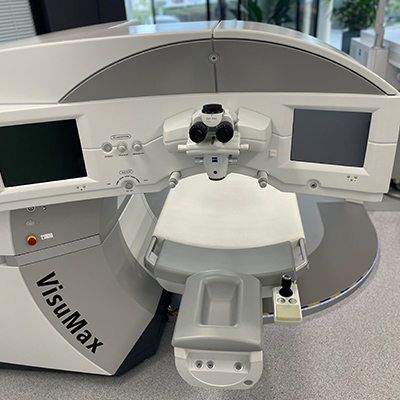
We feature the latest generation of surgery from Zeiss, SMILE®. This minimally invasive technology is available in addition to LASIK and PRK which also provide fantastic visual outcomes for varying corneal issues and refractive error.

Refractive Lens Exchange (RLE) & ICL

RLE (refractive lens exchange) is most commonly performed for patients over the age of 45. Reading vision issues (presbyopia) often become prominent from this age onwards. Various intraocular lenses available allow us to aim for both good quality distance AND near vision. ICL (implantable contact lenses) are available for patients who most commonly have very high levels or long or short sight or have vision / eye history that is complex in nature.

Read more about Refractive Lens Exchange | Implantable Contact Lens | The awkward age of 40

Cataract Eye Surgery Perth

Expert Cataract Removal

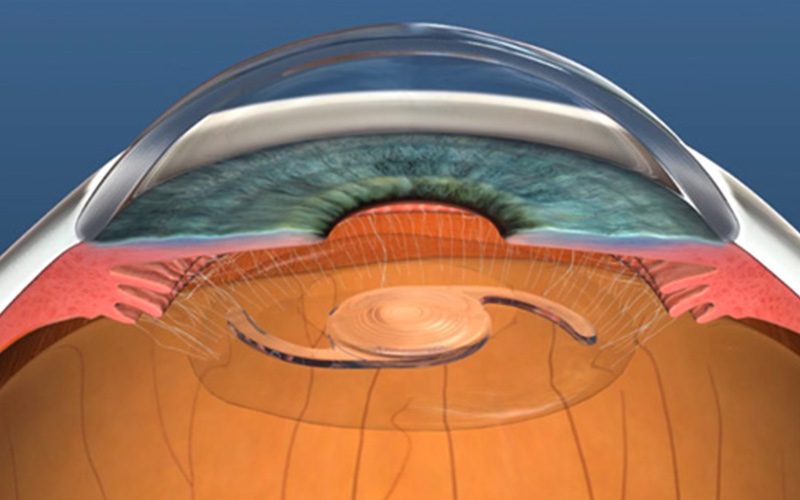
The naturally occurring lens inside of the eye can become cloudy with age or for other varying reasons. This is called a cataract. Cataracts are treated with a routine day procedure where the cloudy lens is removed and is replaced with a premium artificial lens.

Read more about Cataract Eye Surgery

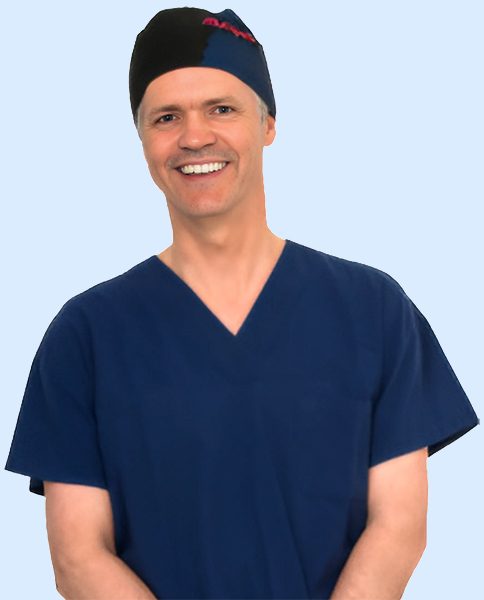
Meet Dr Graham Furness: Perth’s Most Experienced Eye Surgeon

Founder and Medical Director of Insight Eye Clinic.

Specialising in laser, lens and cataract surgery; Dr Furness is one of Perth’s most experienced and respected surgeons so you can feel confident that you are receiving the best treatment available.

Dr Furness’s brother has a rare genetic disorder that has left him blind since his teenage years. His Grandfather also lost his sight through glaucoma. Understanding first-hand the effects that visual impairment can have, Dr Furness’s passion lies in helping as many people achieve the best quality of vision that they can.

Dr Furness has been performing surgery since 1996 and was one of the first surgeons in Perth to regularly perform cataract surgery using the small incision technique under eye drop (topical) anaesthetic.

Your Clearer Future Starts Here:

Steps to Visual Freedom

Free Phone Suitability Check

Step 1: Free Phone Suitability Check

A quick and easy phone assessment can determine the likelihood of your suitability and the potential procedure type that will provide you with your optimal vision result.

Learn more

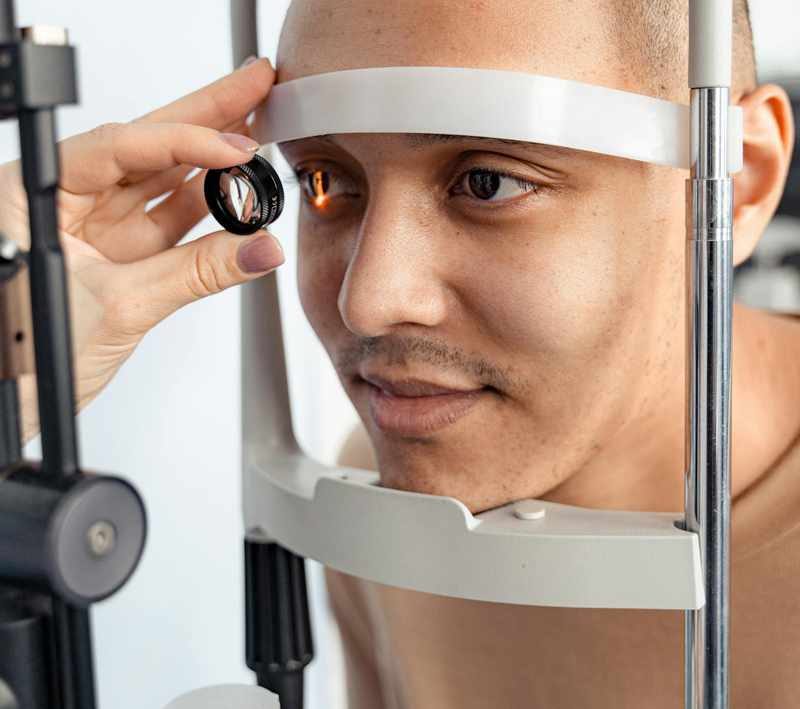
In-Depth Laser Eye Surgery Consultation

Step 2: In-Depth Consultation

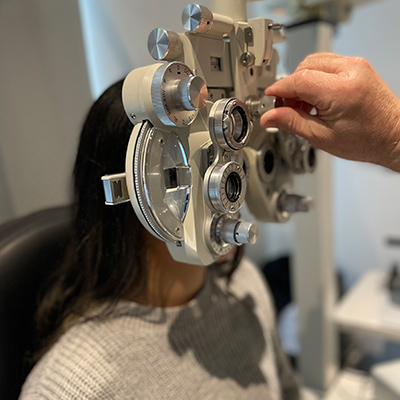
Precise measurements are achieved using various advanced diagnostic tests. Our chief surgeon, Dr Graham Furness, will also perform a thorough eye health assessment.

Learn more

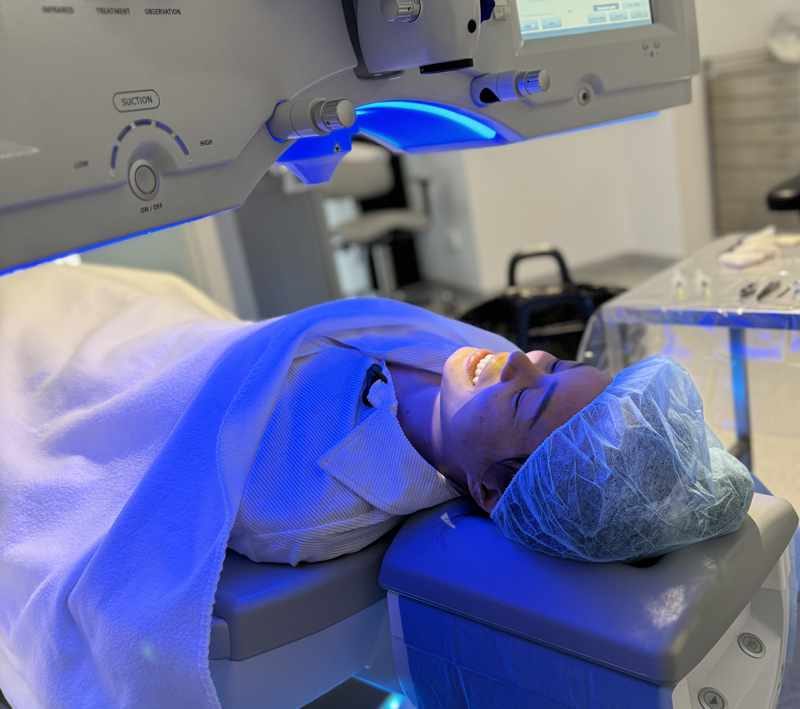
Laser Eye Surgery Day

Step 3: Surgery Day

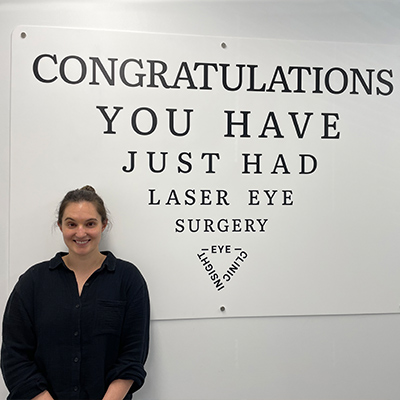
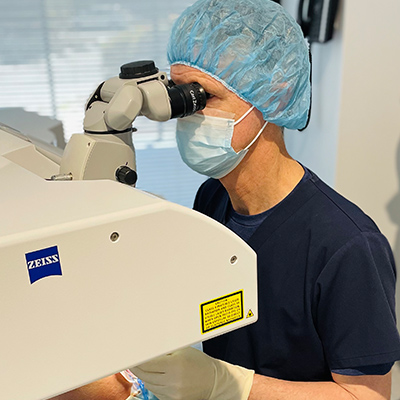
Your surgery day has arrived! A quick and minimally invasive procedure performed by Dr Furness with the assistance of his highly trained and friendly surgical team. Rest assured, you are in the best hands possible.

Learn more

Treatments

We aim to reduce or eliminate your need for glasses and contact lenses.
We offer various procedures to treat a wide range of vision problems
including short-sight, long-sight,astigmatism &
age-related vision impairments.

Experts in laser, cataract & lens surgery since 1999

5 star technology, service & education

Laser surgery suite in Perth’s northern suburbs – led by experts

0% finance option for up to 2 years!

Obligation free consultation with Dr Graham Furness

Most Popular Eye Surgery Blog Posts

Page Contents


Guide for Choosing The Best Laser Eye Clinic

green circle with a white tick inside

This guide is a courtesy from Insight Eye Clinic on how to choose the best place to have laser eye surgery! Your sight is one of your most precious commodities so take the time to find the best Surgeon & clinic for you.

Whether you are long-sighted, short-sighted, astigmatic, wear glasses for reading (presbyopic) or have cataracts, you should consider these important points to help you make the best possible choice for you and your vision!

Open & Honest / Did you Feel Heard?

This is a big one for us and for most people. How did you feel? Did you like the staff? Did you feel heard when discussing your history and issues? Did you feel that the staff were invested in your outcome and best possible treatment plan?

At Insight Eye Clinic, the patient’s journey has always been prioritised. Through getting to know and understand the patient, we are able to customise their vision outcome to ensure their lifestyle is catered for. Not everyone’s needs are the same and it is up to us to pay close attention and really tailor the treatment outcome.

We remain open and honest about every step and possible complication (if any additional risks are present).  Not only is your own medical history extremely important, your family medical history is too. The patients commitment to their well engineered journey pays off with our ongoing commitment to their needs and outcomes.

Most of our patients come through word of mouth. We are proud to offer such a wonderful easy experience to our patients.

Reviews & Recommendations

What do people have to say about that clinic? For many years, surgical clinics were not allowed to request/receive online reviews. The Medical Board of Australia: AHPRA have had strict guidelines in place prohibiting medical practitioners from using or requesting patient testimonials.

In 2022, the guidelines slightly changed to state that testimonials not directly related to the ‘regulated health service’ are allowed.  Although this is a difficult restriction to have in place as everyone relies heavily on reviews, there are still several ways to see reviews left on many different platforms and we are grateful that people have had such great experiences that they wish to share them.

Surgeon

How many procedures has the surgeon performed? What are their success rates and what experience do they have? Upon meeting them, have they instilled confidence?  A lot of people seeking out information are under the impression that laser eye surgery and refractive surgery is all done by machine.  They don’t realise that without an experienced, knowledgeable surgeon; human error is still a very large possibility.

Dr Furness stays up to date on every level in order to offer the safest, most accurate and fast healing results.

Technology

laser

Needless to say, finding somewhere that actively take time and consideration when choosing their technology, is essential. Why wouldn’t you want the best for your eyes?  When it comes to laser surgery in particular, advancements are being made often. Currently, there are 3 generations of laser eye surgery with the most recent 3rd generation being: SMILE. There are spin-off’s of the same technology available, but currently, the gold standard in providers are Zeiss with their Visumax laser.

A good clinic should also remain knowledgeable with advancements in diagnostic equipment. You cannot ensure that surgical results are as accurate as they possibly can be without having equipment to test every topographical corneal nuance, pre and post-operatively.

Aftercare

Ensure that the clinic you choose is committed to looking after you throughout your laser eye surgery journey and during your post-operative months. Check what their aftercare initiative includes as this can mean the difference between a good and a great clinic. Great clinics/surgeons will stand by their results through offering a comprehensive follow up package that include post-operative appointments at the most crucial stages. Day 1 post-op, week 1, month 1, month 3 and month 6.

Cost

Is the cost of aftercare included in the quoted price? It should be.  One final figure should be given to you at your appointment with no hidden fees.  Be aware that some places have extra hospital fees or follow up costs.  Make yourself aware of this before you get an unpleasant surprise when it’s too late.

As is with most cases; you get what you pay for.  Do NOT be tempted by slash down prices.  If a clinic is a great deal cheaper from other clinics… they are usually cutting something somewhere and your eyes deserve the best!

We have seen clinics use terms that can be confusing to market surgical methods that are less common or have since been surpassed with newer, faster healing and safer methods.

Cleanliness

Does the clinic appear clean and tidy? A priority for any reputable clinic will be to maintain a high standard of cleanliness and hygiene. This is especially important for clinics with onsite surgical suites.

It is common to feel overwhelmed

A guide such as this can feel overwhelming, although it is designed to be helpful.  There are several very good providers of refractive surgery and who you choose is a personal choice.  If you are feeling overwhelmed, something as little as a phone call to discuss your options can make you feel so much better.  If you are interested in getting rid of your glasses or contact lenses and need some guidance, give us a call. It might just be the little bit of help you need to set yourself on the right path. 08 9440 4033.


Follow Us!

Eye-opening risks associated with Laser Eye Surgery

Why You Might be Unsuitable for Laser Eye Surgery

Laser Eye Surgery… Safer than Contact Lenses?

Can Laser Eye Surgery Improve My Life?

LASIK vs SMILE Laser Eye Surgery

Zeiss VisuMax Femtosecond

Page Contents

An image stating the words 'Google Approved'

Laser Eye Surgery – Googles 21 Most Popular Questions


We have combined the most frequently asked questions about laser eye surgery from Google into one easy to understand post… We hope this helps!

Page Contents

PSA: these questions have been copy and pasted directly from Google for authenticity. We have shortened ‘laser eye surgery’ to LES in several places.

1. How much does laser eye surgery in WA cost? 

money symbolThe cost of surgery is dependent on which procedure type is recommended to you. There are 3 different generations of laser: SMILE/SmartSight, LASIK and PRK. They range in price from $2,850 per eye to $4,400 per eye.   

The most recent technique is called ReLEx SMILE (another brand is known as SmartSight). These procedures are on the upper end of the scale.   It was recently announced that in recent months (2024), Visumax recorded their 10 millionth SMILE procedure! A huge milestone.

Most clinics provide payment plans to help spread the costs of surgery. They are often 0% interest for a designated period. 

images showing the 3 generations of laser eye surgery. First = PRK. Second = LASIK. Third = SMILE.

2. Is laser eye surgery covered by Medicare? 

image of visumax laser used for laser eye surgerySadly, LES is not covered by Medicare. It is considered a cosmetic procedure and therefore not covered under any Medicare scheme.  But there are a few health funds that assist in the costs and there is also 0% finance for eligible applicants! 

Blog Post: Medicare – Is Laser Eye Surgery Covered?

3. How many years does laser eye surgery last? 

There are several factors that determine the longevity and permanency of LES.  One way we explain the topic of longevity with patients is to explain that the laser is removing tissue from the eye’s surface.  The removal of corneal tissue is permanent and will not re-grow.  So technically, the process of surgery is permanent. 

That does not mean to say that you cannot induce myopia upon yourself again.  You can do this through overuse of your near vision. When our eyes spend more time focusing on near objects, like phones, screens, books or even knitting, it forces our eyeballs to elongate. This prevents the eye from focusing light onto the retina the way it should. This elongation increases short-sightedness, which causes distant objects to appear blurred. 

Blog: Is LES Permanent?

4. What is better than laser eye surgery? 

Cost concernThere are various options to correct refractive error but there are few surgical options. Surgically, the only other options beyond LES are implantable contact lenses (ICL) and refractive lens exchange (RLE). 

 ICL’s are usually only recommended if the patient is not a suitable candidate for LES.  It is a more invasive procedure and a much higher cost procedure. 

RLE is usually only recommended to people 45 years of age and older. It is also more invasive but can provide long-term correction for reading vision problems. 

Blog: The Awkward Age of 40

5. How long after laser eye surgery can you drive? 

Almost all patients meet driving standards within 24 hours of their procedure (SMILE and LASIK).  You will attend a post operative appointment the day after your procedure, and we ask that someone bring you or you travel by taxi.  This appointment is with your surgeon who can confirm whether you can drive from then on.  If not, it will likely only be 1-2 days more. 

Following PRK, you will not be able to drive for the first 3-5 days as vision recovery is slower than SMILE and LASIK. 

6. Is smile better than LASIK? 

cataractWhen a patient has short-sight and/or astigmatism, SMILE is the most recommended procedure. There are fewer occurrences of dry eyes with SMILE and no risk of flap complications as a flap is not present with SMILE. These factors are particularly beneficial to swimmers, athletes, people who play contact sports and those with pre-existing dry eye issues. 

SMILE also removes less tissue from the cornea than LASIK. For this reason, more people are suitable for this rapid recovery option. The higher the prescription, the more corneal tissue that must be removed. This makes SMILE a more inclusive option. It is also important to preserve corneal tissue in the event that the patient requires any additional laser treatments.

But… unlike SMILE, LASIK can correct long-sight.  When compared, long-term vision results are the same for SMILE and LASIK. 

Blog: SMILE vs LASIK Laser Eye Surgery

7. How painful is laser eye surgery? 

Laser eye surgery is not painful. A local anaesthetic eye drop is applied which numbs both the eye and eye lids. During surgery, patients feel some pressure on the surface of the eye. 

8. What are the negatives of laser eye surgery? 

There are common and likely sideeffects as a result of having LES. They are almost always short-term and not deemed ‘negative’. Before surgery, information about what to expect from your vision and potential side-effects should be given by your treating clinic. This should also be outlined in the consent form. It is then for the patient to outweigh the benefits against the risk.  It is important that you feel all information given has been transparent and factual. 

9. Is getting laser eye surgery worth it? A man with a child on his shoulders. Both are very happy doing thumbs up

As providers of LES, we fully believe that it is worth having.  People report that their quality of life drastically improves after their procedure. You are no longer at risk of losing a contact lens, breaking your glasses or contact lens related eye infections.

People comment that they feel less fatigued at the end of the day and that they feel better as a result of looking better. Attending the gym and exercise classes is easier and so is going on holiday! These are just a few reasons people love their results. 

Blog: Is Laser Eye Surgery Worth It?

10. Are you awake during laser eye surgery?

Yes, you are awake. The procedure is very quick, approximately 20 minutes for both eyes and the doctor requires your responsiveness throughout the procedure.  A mild oral sedative is often administered to help with any pre-existing anxiety, which is expected. 


11. Can you blink in laser eye surgery? 

The eyelids are held open by a small clip called a speculum.  The eye that is being treated cannot blink but your doctor will advise you to ‘blink as normal’. This is because your other eye can still blink. With the numbing eye drops, you will not be able to tell that the eye held open with the speculum is not blinking.  

12. Can you fix your eyes without LASIK? 

The options to correct your vision outside of LASIK, SMILE, SmartSight and PRK are: 

Non-surgical 

> Glasses 

> Contact lenses 

Implantable Collamer or Contact LensSurgical 

> Implantable contact lenses (usually the chosen option if patient is outside of the suitability parameters for laser eye surgery and patient is below the ages 40-45) 

> Refractive lens exchange (the preferred option for patients above the age of 45 that would like long-term results for both distance and near vision) 

13. Why am I not suitable for laser eye surgery? 

There are several reasons that people do not fall within the treatment parameters for LES.  Occasionally, a patient is found ‘not suitable’ temporarily. Perhaps their prescription is unstable, and they need to wait 6+ months for the eyes to stabilise prior to surgery being recommended. Some of the most common reasons for being not unsuitable are: 

> Prescription is outside of the treatment parameters that are safe to treat. An alternative such as ICL’s (implantable contact lenses) might be recommended if within ICL parameters. If above age 45, RLE (refractive lens exchange) might be recommended 

> Cornea is too thin or abnormal in shape, for ex: keratoconus 

> Underlying health issues, usually auto immune 

> Existing retinal problems 

> Glaucoma 

> Pregnancy and breast-feeding – temporary until 3 normal menstruation cycles after baby born or completion of BF 

14. How many days rest is required after laser eye surgery? 

Following SMILE and LASIK, it is recommended that you rest for 1-2 days. Following PRK, recovery is slower. The rest period recommended is 3-5 days. 

asleep15. How long do you have to sleep after laser eye surgery? 

Once a patient returns home after their procedure, we recommend keeping the eyes closed and sleeping for a few hours. Most surgeons provide a mild sedative prior to surgery which means people are usually ready to rest upon returning home. 

Don’t forget to pop on your clear plastic eye shields before going to sleep to avoid any unconscious eye rubbing.

16. Can I watch TV after laser eye surgery? 

Not for the first 24 hours.  Avoiding screens is recommended to avoid straining the eyes or worsening dry eye symptoms. Take this opportunity to download a good podcast, TedTalk or audiobook. I bet there are loads of things you’ve wanted to listen to but haven’t had the time! 

Top 60 Podcasts of 2024 

17. Can you see straight after laser eye surgery? 

Immediately following LASIK and SMILE laser eye surgery, you can see. Vision is slightly blurry, and eyes might feel light sensitive, but you can see. Rapid recovery happens within the first 24 hours and most patients reach 20/20 or better by the following morning. 

Following PRK, vision is quite blurry and although you can see well enough to get around, vision will likely not reach driving standards for 3-5 days. 

Click here to watch genuine patient reactions immediately after LES

18. How long does it take to fully recover from laser eye surgery? 

Full recovery time is different to the time it takes to reach peak vision results. Ophthalmologists usually advise that full recovery is 3 months.  

clear eye shield for after laser eye surgery19. Do you have to wear goggles after laser eye surgery? 

You should be provided with shields to cover your eyes whilst sleeping but ‘goggles’ are not recommended. Regular circulation of air is important and avoiding anything that causes suction around the cornea.  

20. How much is eye laser surgery in Australia? 

The cost of surgery differs between providers, but you can expect to pay anywhere from $2,850 per eye to $4,400 per eye in Australia. Most commonly, third generation techniques such as ReLEx SMILE and SmartSight are at the upper end of the scale. 

Price is usually dependent on which procedure type is recommended to you. There are 3 different methods of treatment: SMILE/SmartSight, LASIK and PRK. 

The most recent technique is called ReLEx SMILE (another brand is known as SmartSight). These procedures are on the upper end of the scale. 

Most clinics provide payment plans to help spread the costs of surgery. Often 0% interest for a designated period. 

21. Can laser eye surgery go wrong? 

As with any elective surgery, complications are possible and LES is not without risk of complication. Whomever you choose to carry out your procedure should go through the potential complications involved. These complications should also be outlined in your consent form.  

To put your mind at risk, there are no reports of anyone ever going blind from LES. However, complications have been reported across the history of laser eye surgery.  Measures are consistently taken to avoid these possibilities. Thorough pre-operative diagnostic testing and measurements should be taken to further reduce potential risk. 


Follow us!

https://insighteye.com.au/best-laser-eye-surgery-perth-top-5/

https://insighteye.com.au/lasik-vs-smile-laser-eye-surgery/

https://insighteye.com.au/how-to-choose-the-best-laser-eye-clinic/

https://insighteye.com.au/misleading-laser-eye-surgery-claims/

3rd Generation SMILE Laser Eye Surgery is here!

Page Contents


Eye-opening Risks associated with Laser Eye Surgery1

Ok… you’ve been wearing glasses and contact lenses for years. Your contacts are a pain to bring on holiday, you never clean them and your glasses don’t highlight your amazing eyes. We know.

You lost a contact lens playing rugby and had to run around panicking for the rest of the match. We hear you.

You have terrible peripheral vision with your glasses and driving feels stressful. You can’t see anyone in the swimming pool and just have to hope that you don’t brush up against the really hairy bloke. WE KNOW!

Life really doesn’t have to be this hard.

Laser eye surgery is a clinically proven and established method of treating short sight, long sight and astigmatism as well as certain vision disorders. Like all surgeries however, laser eye surgery is not completely free of risks and side effects. It is important to know, before any procedure, exactly what the potential risks are.  You want ease of life and the best for your eyes… but you also need to know the few risks that can occur.

FUN FACT: You have a higher chance of infection and vision related issues from contact lenses than laser vision correction.

Here are some of the potential risks of proceeding with laser vision correction.  Types of laser correction include: SMILE, LASIK or PRK.

Over or Under-correctionReading Glasses

Not everyone achieves a complete improvement in vision after laser eye surgery. The amount of vision correction can vary depending on individual conditions. A residual refractive error can remain, which means some patients will still need glasses or contacts after surgery. If this is the case, follow-up surgery to correct the remaining residual refractive error can be considered.

Night vision difficulty – mostly short term

Some people experience difficulty with night vision or driving at night, and see glare and/or halos around lights in the dark. It is more common in the early post-operative time period and it gradually improves in the majority of cases. This does not mean that you will be unable to drive.  Most patients meet Australian driving standards within 24 hours of their procedure.

Double visionrisk of laser eye surgery vs benefits

This is a very rare potential side effect but one worth listing. Ghosting falls under the same category as double vision. For ex: white writing on a black background (vice versa) can become shadowed.

Dry eye syndrome

You should be tested by your treating clinic for dry eyes at your primary consultation. Dry eyes to a certain degree, is normal for everyone and can occur for various reasons. It is the most common symptom following laser eye surgery.

Dry eyes can be easily treated with lubricating eye drops. It is mostly considered a part of the initial healing process following laser eye surgery.  Your eyes might feel dry, scratchy and watery. Dry eye syndrome often causes our eyes to water. The watering is our bodies response to the dryness and a way to increase lubrication, thus attempting to treat the dry eye.

Corneal ectasia (bulging of the cornea)

Corneal ectasia is a term used to describe a group of eye conditions that cause progressive thinning of the cornea, weakening the front of the eye and causing it to bulge forward.

It is greatly difficult to foresee a post-operative development of corneal ectasia in most patients.  Most risk factors are high-lighted during the consultation and would therefore; deem a patient not suitable for laser vision correction.

Thorough pre-operative scans and examinations should highlight this potential risk, meaning the percentage of people who get this is very low.

Ectasia may occur any time from shortly after surgery to years later. Glasses, contact lenses, or even a corneal transplant may be required to restore vision if it occurs. A careful preoperative examination can reduce the chances of developing corneal ectasia after laser eye surgery.

Infection

The probability of infection following laser eye treatment is very very low. Prescribed eye drops given after the procedure help prevent infection amongst other things.

It is important to consult the surgeon if the eye turns red, is painful or there is a reduction in vision. Infections can be cured if diagnosed at an early stage but must be promptly treated. You should ensure you are provided with an out of hours contact number to address any concerns outside of clinic hours.

Flap related complications

Flap-related complications can occur after the LASIK procedure because a flap is created in the cornea. These include infection, inflammation, and dislocation of the flap. It is often treated with either eye drops or additional surgery. As mentioned in the other potential risks and side effects; this is an unlikely occurrence if you follow the post-operative guidelines.


Benefits outweigh the risks

Every choice we make has some degree of risk.

It’s up to us to decide whether or not the benefits outweigh those risks. Ensure that you are attending a consultation with a surgeon and clinic that prioritise patient safety, technology and pre/post-operative care.

The most common statement we hear from our patients after they’ve had their laser eye surgery procedure is, “I wish I had done this sooner!”  You cannot regain the time you’ve been wearing glasses or contact lenses, but you can make the choice to find out if you are eligible for visual freedom.

Please see other laser eye surgery blogs such as:

Laser Eye Surgery Cost

Why You Might be Unsuitable for Laser Eye Surgery

All about third generation laser eye surgery

https://insighteye.com.au/why-laser-eye-surgery-should-be-put-on-hold-during-pregnancy-breastfeeding/


**None of the information in this blog post is to be construed as medical advice, nor is it intended to replace the recommendations of a medical professional. For specific questions, please see your eye care practitioner.**

SMILE Laser Eye Treatment Rapid Recovery


In today’s society, we tend to always be playing catch up with the clock.  Time management is more important now than ever.  For a lot of people, downtime is not an option.

Thankfully, there are very clever people out there that continue to develop machines and techniques to save us time and keep us on the go.

Visit our SMILE page for specific information about the surgery itself (this page is for information on post-operative recovery only)

How long after SMILE laser eye surgery before your vision is clear without glasses or contact lenses?

SMILE Laser Eye Surgery Rapid Recovery

You’ll be very pleased to hear that immediately after SMILE surgery has been completed, patients notice an improvement in vision.  For the first few hours after your surgery, we recommend gently closing your eyes and resting to aid recovery.  Your vision may be a little blurry or hazy during this time.  Your visual clarity will quickly improve over the first 24 hours after your surgery.    Avoiding screens for the first 24 hours is advisable or only in short bursts.

The healing process can differ from patient to patient.  Most patients experience clear vision within one to two days following surgery.  Vision stabilises within one week of your procedure.

EYE SHIELDS should be worn while sleeping for the first night of your procedure.

When can you drive?

Almost all patients meet driving standards within 24 hours of their procedure.  You will attend a post operative appointment the day after your SMILE laser eye surgery and we ask that someone bring you or you travel by taxi.  This appointment is with your surgeon who can then confirm whether or not you are able to drive from then onwards.  If not, the likelihood is it will only be 1-2 more days.

You may have some light sensitivity during the healing phase and it is therefore recommended you wear sunglasses during the day when outside or driving.  If you do not feel comfortable driving at night during the initial healing period, please refrain from doing so.

How long before you can return to work after SMILE laser eye surgery?

rapid recovery

You require a follow up appointment the day after your surgery.  We recommend you take this day off of work to continue to recover and rest your eyes.  The first 24 hours are the most important.  Depending on what type of job you have will determine the length of time we recommend you have off of work.  For ex: Computer based roles in a controlled environment, you will be able to return 24 hours after your procedure.  Using your lubricating eye drops frequently will avoid any additional dry eye caused from air conditioning and reduced blinking.  Studies show our blink rate decreases by 66% when in front of a screen.

Those who work in construction or an environment where they are at risk of getting dust/smoke/debris into their eyes should take more time off from work.  Dependent on your circumstances, we might recommend 5-7 days off from work.  You should take adequate precautions such as wearing safety glasses and increase your use of lubricating eye drops.  This will help to avoid unnecessary post-operative complications.

How long before you can return to sport & fitness after SMILE?

Not as long as you might think! 24 hours after surgery, light activities like stretching and walking are fine.  The most important thing for you to do during the first couple of days is rest, give yourself some downtime and ensure you have your eye drop routine in place.

By day 3 following your SMILE laser eye surgery procedure, it is OK to resume activities such as: stationary cycling, weight lifting (keep it light for the first 2 weeks), jogging, golf & yoga (excluding inverted positions which can resume from day 7).

Strenuous activities can result in sweat, dust or debris entering the eye(s) which may slow down or impair the early healing stages.  This is why there are small restrictions on doing certain things.  Safety following surgery will ensure your result is unaffected.

Bike riding, squash, swimming, tennis and various other activities can resume after 1 week.

Contact or high-impact sports require the longest wait period, understandably.  This includes activities such as boxing, rugby, martial arts, sky diving, water skiing & basketball.  The standard wait time is usually 2-4 weeks although you should confirm this with your surgeon.

Always ask your Doctor if any of your extracurricular activities are not listed.  Follow direct advice from your doctor as this is related directly to your needs and healing.

How long after SMILE laser eye surgery before you can wear makeup?

You should not wear any makeup at all and also avoid eye creams for the first 24 hours after surgery.  We also advise that any false eyelashes be removed prior to surgery.  This is because they hold additional bacteria as well as requiring regular cleansing.  You must avoid rubbing your eyes for the first 7 days after surgery.

You are welcome to have your eyelashes tinted and/or permed at least 7 days BEFORE your procedure.

For the first 3 days following SMILE laser eye surgery, we advise that you do not wear any eye makeup such as mascara, eyeliner or eye shadow.  You may continue to wear lip products, foundation and cream blush.  Please do not use powder makeups for the first 3 days to avoid loose particles getting into the eyes.

After 3-5 days, you may resume your usual makeup routine remaining vigilant for up to 2 weeks.  Be very gentle when cleansing/removing makeup from the eyes.

How long will you need to use eye drops after SMILE laser eye surgery?

We can’t stress enough the importance of following the allocated eye drop routine upon completion of your surgery.  The non-usage of eye drops can directly affect your post-operative result.  You will be provided with:

Anti-inflammatory eye drop – 1 drop to be applied to each operated eye every 2 hours on the day of surgery and the day after surgery.  The following 9 days require 1 drop to each operated eye 4x a day.

Antibiotic eye drop – 1 drop is to be applied 4x a day to each operated eye starting the day of surgery plus the following 5 days (6 days total).

Lubricating eye drop – 1 drop to be applied to each operated eye hourly for the first 3 days then every 2 hours for the following 8 days.  After this, you can continue to use this as necessary for whatever period is required.

Always refer directly to your operating surgeons advice as this may differ to the standard eye drop protocol listed.


Follow Us!

https://insighteye.com.au/how-to-choose-the-best-laser-eye-clinic/

https://insighteye.com.au/lasik-vs-smile-laser-eye-surgery/

https://insighteye.com.au/laser-eye-surgery-vs-glasses-what-costs-more/

**Please note this blog is not a substitute for medical advice.  If you have any concern about your vision quality or eye health, we urge you to contact your GP or Ophthalmologist**
laser eye surgery

LASIK vs SMILE Laser Eye Surgery


Understanding the differences and the surgery type for you

It can be difficult to understand and navigate the laser eye surgery market without investing many hours into research or lots of money into visiting Ophthalmologists to understand your surgical options.  One of the most recent advancements in laser eye treatment is newest third generation SMILE laser eye treatment.  Find out why SMILE is so great but why the tried and trusted method, all laser LASIK, is still a worthy contender.


Contact us todayThree Generations

We started with PRK… but we’re not here to discuss PRK.  This post is all about LASIK and SMILE.  From the image above, you can see how each procedure is performed and you might think, ‘SMILE looks easier, like there are less steps involved’.  You are correct.  SMILE laser eye treatment only involves the use of one laser.  Our VisuMax Femtosecond is the most current technology topping the laser market and the SMILE procedure can be done using this laser alone.

Know your options!

LASIK on the other hand, requires the use of 2 different lasers.  A combination of the VisuMax Femtosecond and the Wavelight Allegretto.  The first step is to create the flap in the cornea, the second step is to lift the flap and to reshape the corneal tissue below the flap.  Removing this microscopic amount of tissue allows the light entering your eye to hit the correct point at the back of your eye (see diagram to the right).

How is SMILE different?

SMILE operates under the same law, removing corneal tissue to reshape the eye.  This in turn corrects your vision.  It is just done slightly differently, creating a lenticule within the corneal layers. The lenticule is then removed via a tiny laser incision on the surface of the eye.

You are NOT suitable for SMILE if you are LONG SIGHTED!

Why Choose SMILE laser eye surgery?

At Insight Eye Clinic, Dr Graham Furness will perform a full eye health check and visual assessment before making a recommendation for surgery.  He will advise what you are suitable for and what your outcome will be; not only short term, but long term.

SMILE uses less energy meaning less post-operative dryness.

Dry eyes are a common side effect which can last anywhere from 1 week to 6 months following your surgery.  This method means that your doctor can reduce the amount of time you are using lubricating eye drops.  It also means that the thousands of patients that suffer with dry eyes caused by contact lenses, environment, medication etc, can now have surgery with less risk of long term dryness.

No flap means no flap complication risks!

Unlike LASIK, there is no flap present in SMILE laser eye surgery.  Refer to above image if you’re not too sure about flaps!  With LASIK surgery, there is risk present related to the flap that is created in the corneal tissue with the laser.  Not many, but they’re there.  By getting rid of the need for a corneal flap, the experts have reduced the risks when having SMILE.


Why Choose LASIK?

As mentioned earlier, you cannot have SMILE if you are long-sighted and for those patients with long-sight, LASIK is recommended if you meet the criteria at your consultation with Dr Furness.

LASIK is a fantastic method for correcting short sight, long sight and astigmatism.  Some patients might prefer this laser option because of its longer track record or maybe because they have a family member or a friend who is very happy with their outcome from LASIK.

As far as results go, we have found that the visual results achieved with SMILE are on par with those of LASIK.


Both procedures will give you fantastic results!

Regardless of what you are recommended by your doctor, it is good to choose a doctor that can offer a variety of surgical options and who has lots of experience and a fantastic track record.  We recommend you do your research and ask lots of questions.  At Insight Eye Clinic, we are always more than happy to answer any questions you have related to your eyes and your surgery.

Follow us on social media for regular updates on patient journey’s and everything EYES! 

Every like, every share & every comment is important


Additional blog posts:

Please see other laser eye surgery blogs such as:

Laser Eye Surgery Cost

LASIK vs SMILE Laser Eye Surgery

Why You Might be Unsuitable for Laser Eye Surgery

The Awkward Age of 40

Thank you for visiting our blog.  For any additional information related to this post or the additional blog posts tagged, please contact us

Page Contents