How Australia Protects Eye Surgery Patients

When researching eye surgery, many Australians are surprised to discover just how different healthcare systems can be from country to country.
From advertising regulations and informed consent requirements through to surgeon oversight and post-operative care standards, ophthalmology in Australia operates within one of the most highly regulated healthcare environments in the world.
While Europe is home to many excellent ophthalmic clinics and surgeons, healthcare governance is not identical across all countries – and the rules protecting patients can vary significantly depending on where treatment is performed.
Understanding these differences is important for anyone considering procedures such as laser eye surgery, cataract surgery, refractive lens exchange (RLE) or implantable contact lenses (ICL).
 Australia’s Healthcare System Places Strong Emphasis on Patient Protection

In Australia, ophthalmologists are governed by multiple layers of regulation and oversight. These include:
- • The Medical Board of Australia
- • AHPRA (Australian Health Practitioner Regulation Agency)
- • Medicare compliance requirements
- • Therapeutic Goods Administration (TGA) regulations
- • Strict advertising guidelines
- • Informed consent obligations
- • Mandatory continuing professional development
These frameworks are designed to prioritise patient safety, transparency and ethical medical care.
In ophthalmology specifically, this means patients are generally provided with:
- • Detailed risk discussions
- • Cooling-off periods where appropriate
- • Comprehensive pre-operative testing
- • Documented informed consent
- • Long-term follow-up care
- • Access to ongoing management if complications occur
Australian healthcare also places significant emphasis on accountability and continuity of care.
Europe Is Not One Single Healthcare System
One common misconception is that “Europe” operates under one universal healthcare standard. In reality, Europe consists of many different countries, each with their own healthcare legislation, regulatory bodies and clinical governance frameworks.
Some countries have exceptionally strict medical standards, while others may have:
- • Different advertising rules
- • Varying informed consent requirements
- • Less structured follow-up systems
- • Reduced oversight of private clinics
- • Differing qualification pathways
- • Lower thresholds for certain procedures
This does not mean treatment overseas is inherently unsafe — but it does mean patients should carefully research the standards and protections available in the specific country and clinic they are considering.
Advertising Rules Are Very Different in Australia

Australia has some of the strictest healthcare advertising laws globally.
Medical practices cannot:
- • Guarantee outcomes
- • Use misleading claims
- • Offer testimonials in certain circumstances
- • Pressure patients into surgery
- • Advertise in ways considered coercive or deceptive
These rules exist to help patients make informed decisions based on education rather than marketing alone.
In some overseas markets, however, ophthalmology advertising can appear far more aggressive or sales-driven, particularly online. Patients may see:
- • Heavily discounted surgery promotions
- • Time-limited offers
- • “Perfect vision guaranteed” messaging
- • Influencer-style marketing
- • Simplified risk explanations
This can make it difficult for patients to compare providers accurately.
Follow-Up Care Matters More Than Many Patients Realise
 One of the biggest differences between local and overseas surgery can be continuity of care.
Procedures such as SMILE, LASIK, PRK, RLE and cataract surgery require ongoing monitoring during the healing process. While most patients heal very well, post-operative management remains an important part of achieving the best possible outcome.
When surgery is performed locally, patients generally have easier access to:
- • Their surgeon
- • Enhancement discussions if required
- • Urgent review appointments
- • Ongoing eye health monitoring
- • Long-term continuity of care
Travelling overseas for surgery can sometimes complicate this process, particularly if unexpected healing responses or complications arise after returning home.
Technology Alone Does Not Determine Quality
 Many patients researching eye surgery focus heavily on technology — and while technology is extremely important, governance and clinical standards matter just as much.
The safest and most successful ophthalmic outcomes are not based on equipment alone. They are achieved through:
- • Appropriate patient selection
- • Thorough diagnostic testing
- • Surgical expertise
- • Ethical decision-making
- • Realistic expectation setting
- • Comprehensive follow-up care
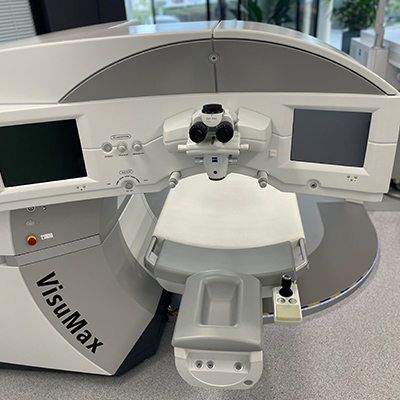
A modern laser platform cannot replace strong clinical governance.
Informed Patients Make Better Decisions
At the end of the day, patients deserve to fully understand:
- • Who is performing their procedure
- • How they are regulated
- • What protections exist
- • What follow-up care is available
- • What happens if additional care is required later
- • Healthcare decisions should never be based on price alone.
In ophthalmology, long-term vision outcomes, safety standards and continuity of care are all incredibly important considerations.
For Australian patients, understanding the differences between healthcare systems can help ensure they make informed, confident decisions about their eye health and vision correction journey.
Regardless of what you are recommended by your doctor, it is good to choose a doctor that can offer a variety of surgical options and who has lots of experience and a fantastic track record. We recommend you do your research and ask lots of questions. At Insight Eye Clinic, we are always more than happy to answer any questions you have related to your eyes and your surgery.
Follow us on social media for regular updates on patient journey’s and everything EYES!




Additional blog posts:
Please see other laser eye surgery blogs such as: